
Raw Timber
Description
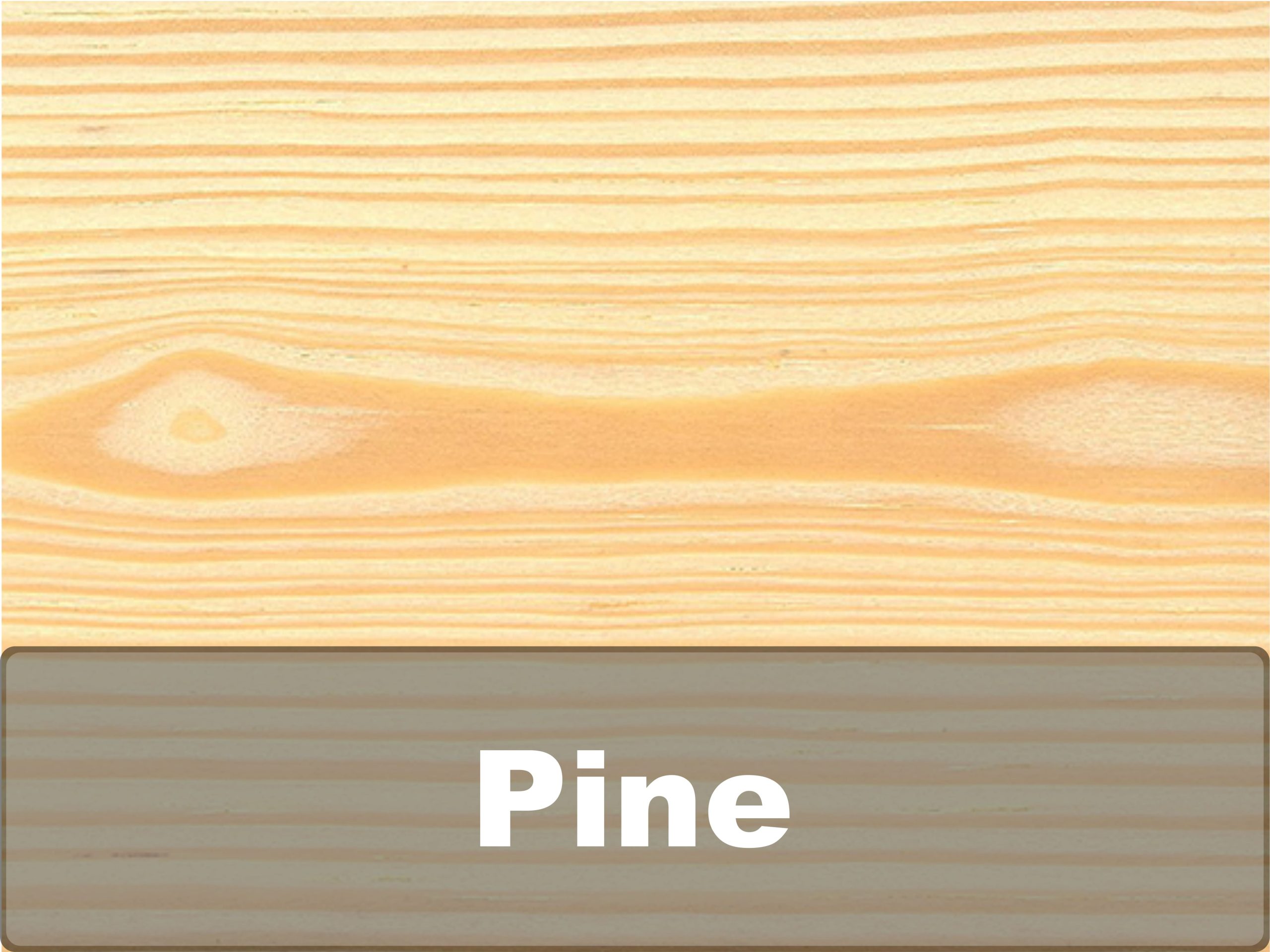
Pine trees are evergreen conifers that typically grow 15–45 m tall, though some species are smaller or much taller. They are long-lived, often reaching 100–1,000 years, with the oldest known individual, “Methuselah,” being around 4,800 years old. Pines have thick or flaky bark, and their branches grow in spiral-like whorls. They produce four leaf types, with adult needles grouped in fascicles and lasting from 1.5 to 40 years. Pines are monoecious, bearing both male and female cones. Female cones take 1.5–3 years to mature and often open to release wind- or bird-dispersed seeds. Some cones open only after fire, a trait called serotiny.
Uses
Pines are economically important trees grown for timber, pulp, and ornamental use. Their fast growth and dense wood make them ideal for indoor construction and furniture, though outdoor use requires chemical treatment. They're also valued for Christmas trees, crafts, and decorations. Pine plantations are harvested between 25–50 years, with periodic thinning to improve growth and wood quality. Edible parts include seeds (pine nuts), young cones, bark, and needles, which are used in food, tea, and even wine. Pine resin and needles also have traditional medicinal and modern biodegradable uses.
Description
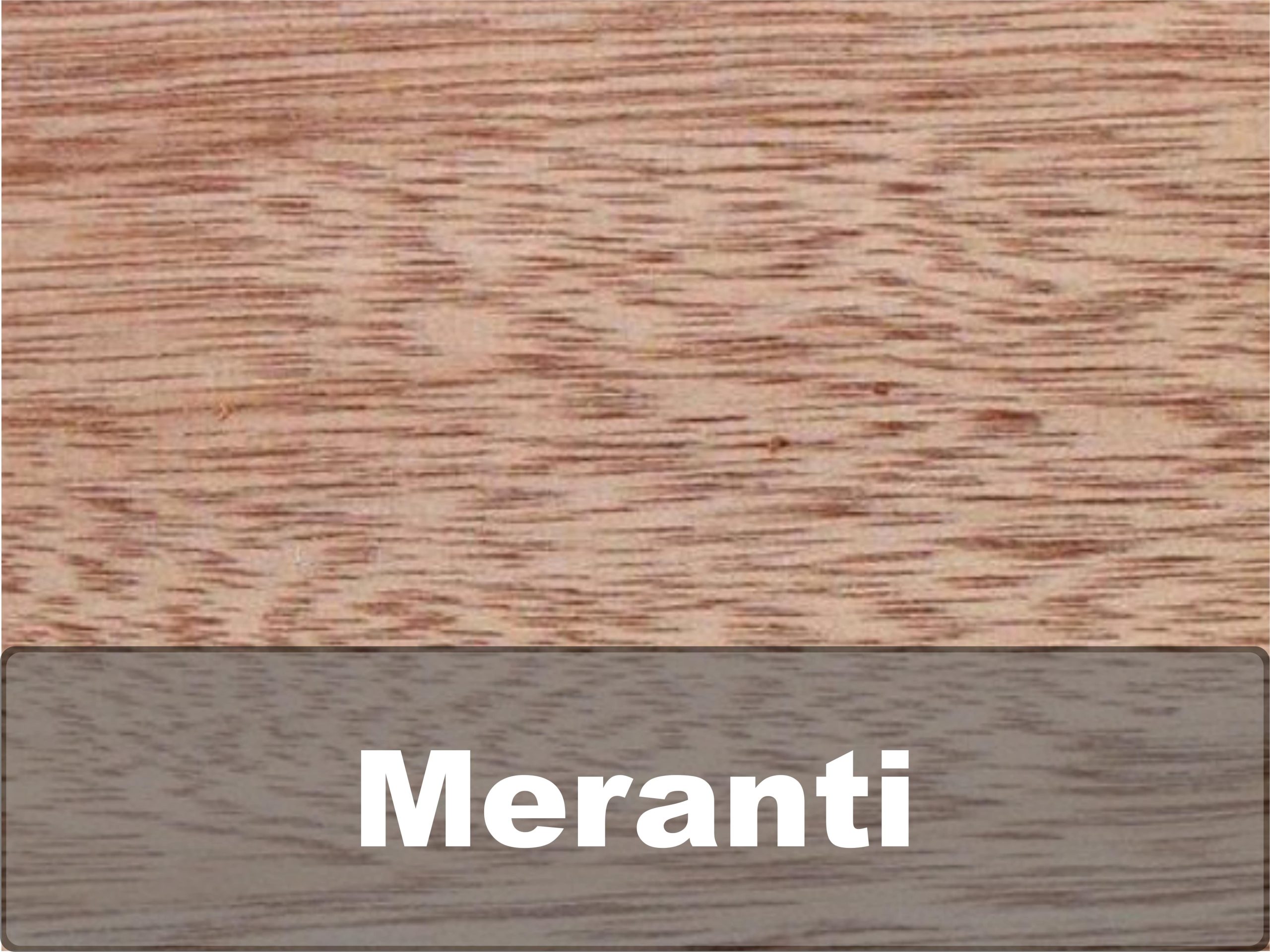
Shorea spp. are native to Southeast Asia, from northern India to Malaysia, Indonesia, and the Philippines. In west Malesia and the Philippines, this genus dominates the skyline of the tropical forests. The tallest documented tropical angiosperm is an 88.3-m-tall Shorea faguetiana in the Tawau Hills National Park, in Sabah on the island of Borneo, and in that park at least five other species of the genus have been measured to be over 80 m tall: S. argentifolia, S. gibbosa, S. johorensis, S. smithiana, and S. superba. Borneo is also the hotspot of Shorea diversity with 138 species, of which 91 are endemic to the island
Uses
Many economically important timber trees belong to Shorea. They are sold under various trade names including "lauan", "lawaan", "meranti", "seraya", "balau", "bangkirai", and "Philippine mahogany". (For a list of species associated with each name, see the article on Dipterocarp timber classification.) The "Philippine mahogany" sold in North America is not a true mahogany at all, but a mixture of woods from the genus Shorea. Other products from Shorea spp. include dammar and illipe. Dammar is a resin collected from a variety of species. It varies in colour among the different taxonomic groups. Shorea wiesneri is listed in many websites as an important source of dammar; however, this appears to be either a trade name or a synonym. Borneo tallow nut oil is extracted from the egg-shaped, winged fruit of Shorea species.
Description
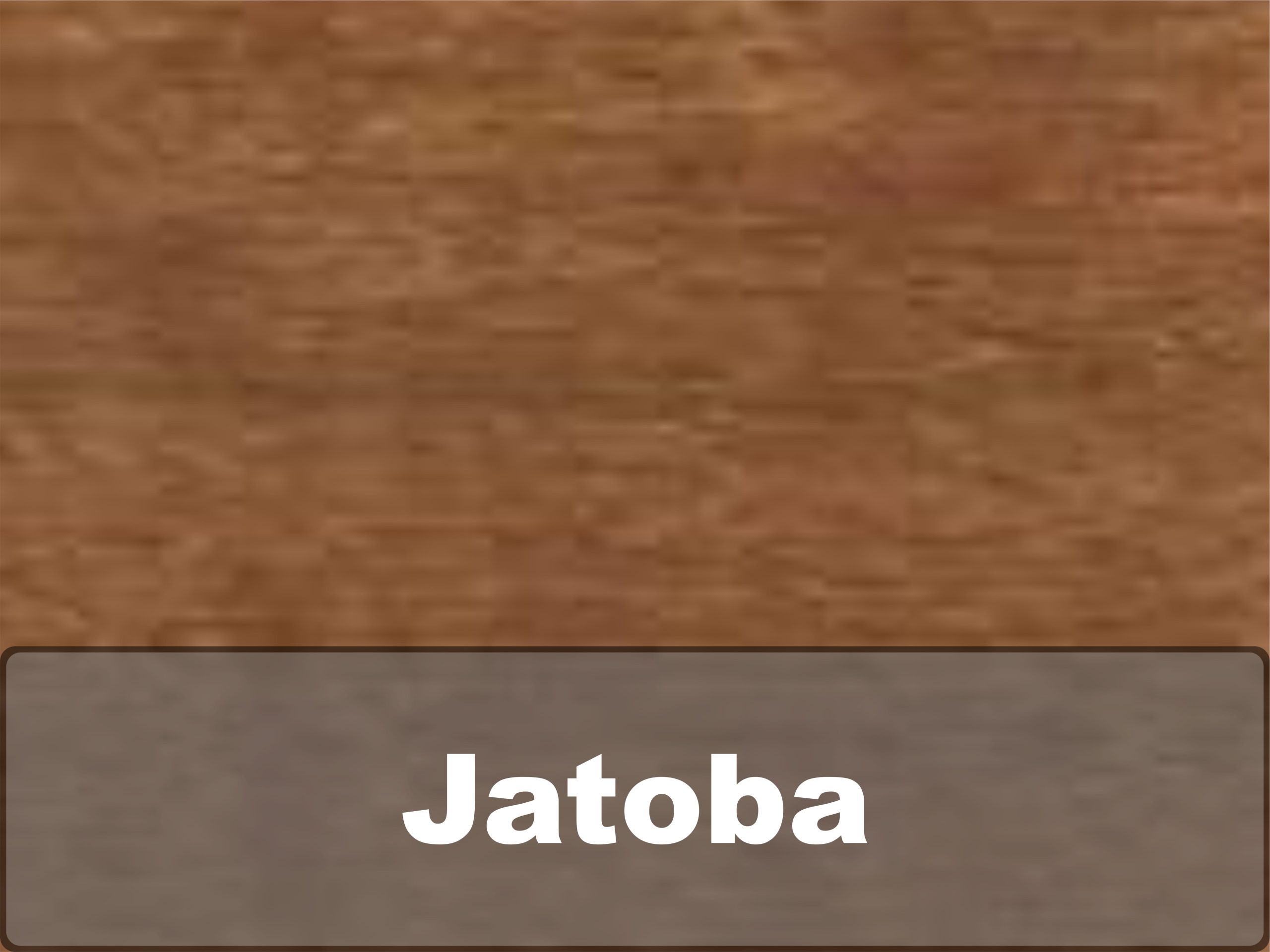
The wood is very hard, measuring 5.6 on the Brinell scale and 2,350 lbf (10,500 N) on the Janka scale, approximate measurements of hardness. For comparison, Douglas fir measures 660 lbf (2,900 N), white oak 1,360 lbf (6,000 N), and Brazilian walnut 3,800 lbf (17,000 N) on the Janka scale. It features a tan to salmon color with black accent stripes that over time turn to a deep and vibrant red.
Description
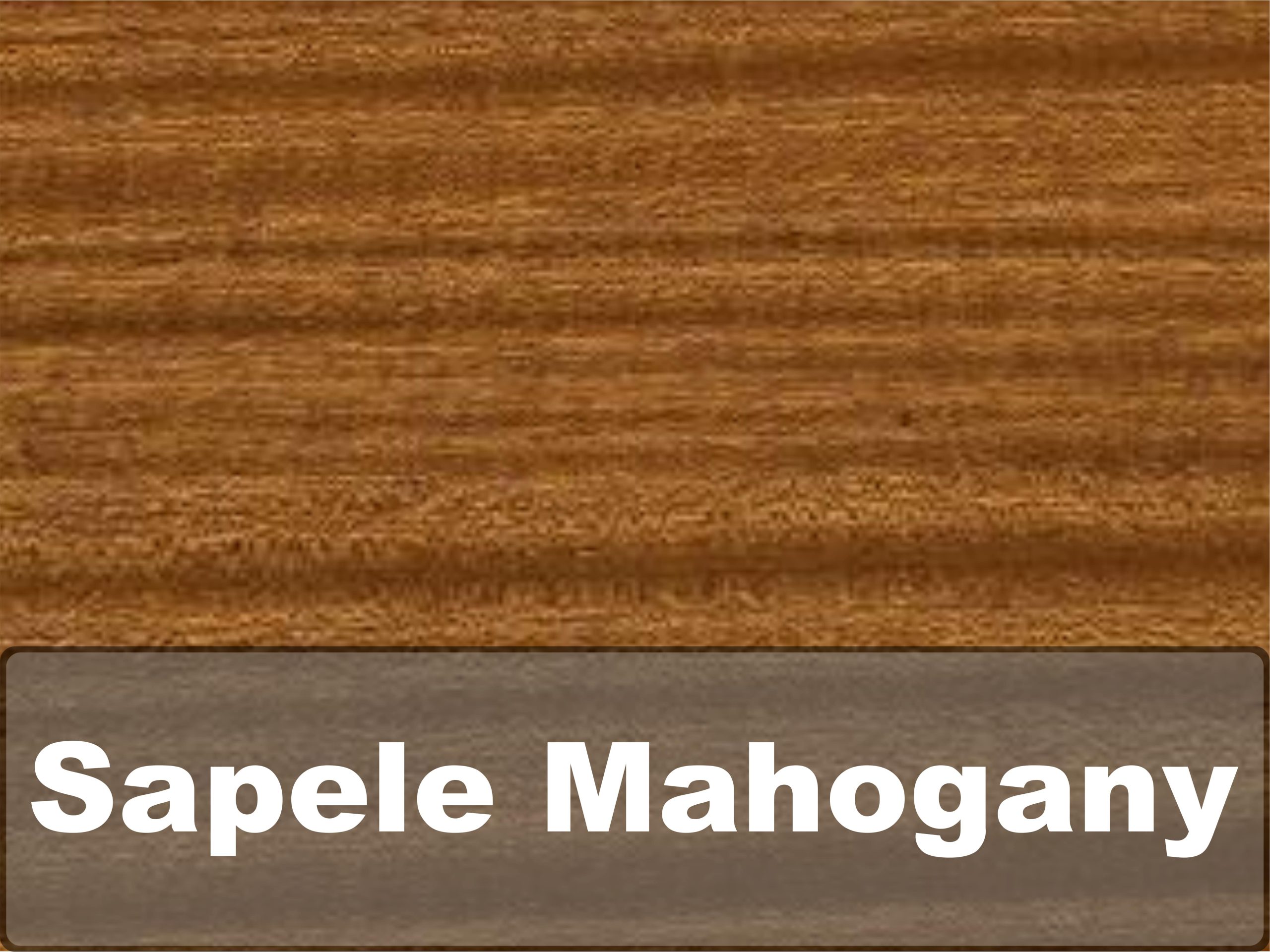
Entandrophragma cylindricum is native to tropical Africa. There are protected populations and felling restrictions in place in various countries. The species grows to a height of up to 45 m (rarely 60 m). The leaves are deciduous in the dry season, alternately arranged, pinnate, with 5-9 pairs of leaflets, each leaflet about 10 cm long. The flowers are produced in loose inflorescences when the tree is leafless, each flower about 5 mm diameter, with five yellowish petals. The fruit is a pendulous capsule about 10 cm long and 4 cm broad; when mature it splits into five sections to release the 15-20 seeds.
Uses
This commercially important hardwood is reminiscent of mahogany, and is a part of the same Meliaceae family. It is darker in tone and has a distinctive figure, typically applied where figure is important. Sapele is particularly prized for a lustrous iridescence with colors that range from light pink to brown and gold to red. It has a high density of 640 kg/m3 and interlocked grain, which can make machining somewhat difficult. Demand for sapele increased as a mahogany substitute in recent years due to genuine mahogany becoming a CITES Appendix II listed species. It is used in the manufacture of furniture, joinery, veneers, luxury flooring, musical instruments, and boat building. Among its more exotic uses is in musical instruments. It is used for the back and sides (and sometimes top) of acoustic guitar bodies, as well as the bodies of electric guitars. It is also used in manufacturing the neck piece of ukuleles and 26- and 36-string harps. In the late 1990s, it started to be used as a board for Basque percussion instruments txalaparta.
Description
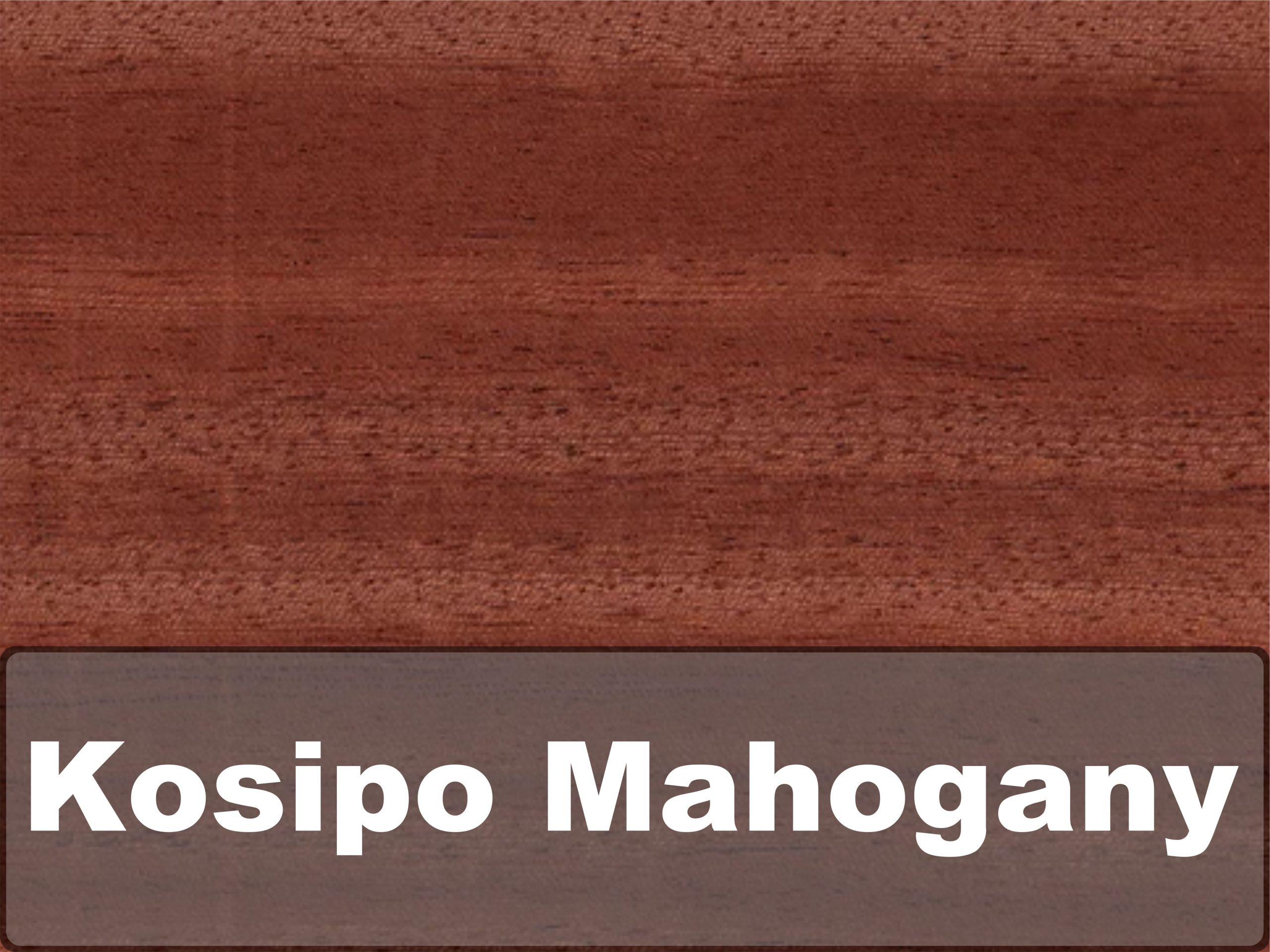
Entandrophragma is restricted to tropical Africa. At least some of the species attain large sizes, reaching 40-50 m tall, exceptionally 60 m, and 2 m in trunk diameter. In 2016 a specimen of Entandrophragma excelsum towering at a height of 81.5 m (267 ft 5 in) tall, and a 2.55 m (8 ft 4 in) dbh was identified at Kilimanjaro. It is dioecious, with male and female flowers on separate plants. The leaves are pinnate, with 5-9 pairs of leaflets, each leaflet 8-10 cm long with an acuminate tip. The flowers are produced in loose inflorescences, each flower small, with five yellowish petals about 2 mm long, and ten stamens. The fruit is a five-valved capsule containing numerous winged seeds.
Uses
The wood, often traded as ‘kosipo’, ‘omu’ or ‘candollei’, is used for construction, exterior and interior joinery, boat building, furniture, cabinet work, veneer and plywood. It is suitable for flooring, interior trim, vehicle bodies, toys, novelties, boxes, crates and turnery. The bark is used in traditional medicine. Bark sap is applied externally as an anodyne, and sap of the root bark is applied to snakebites.
Description
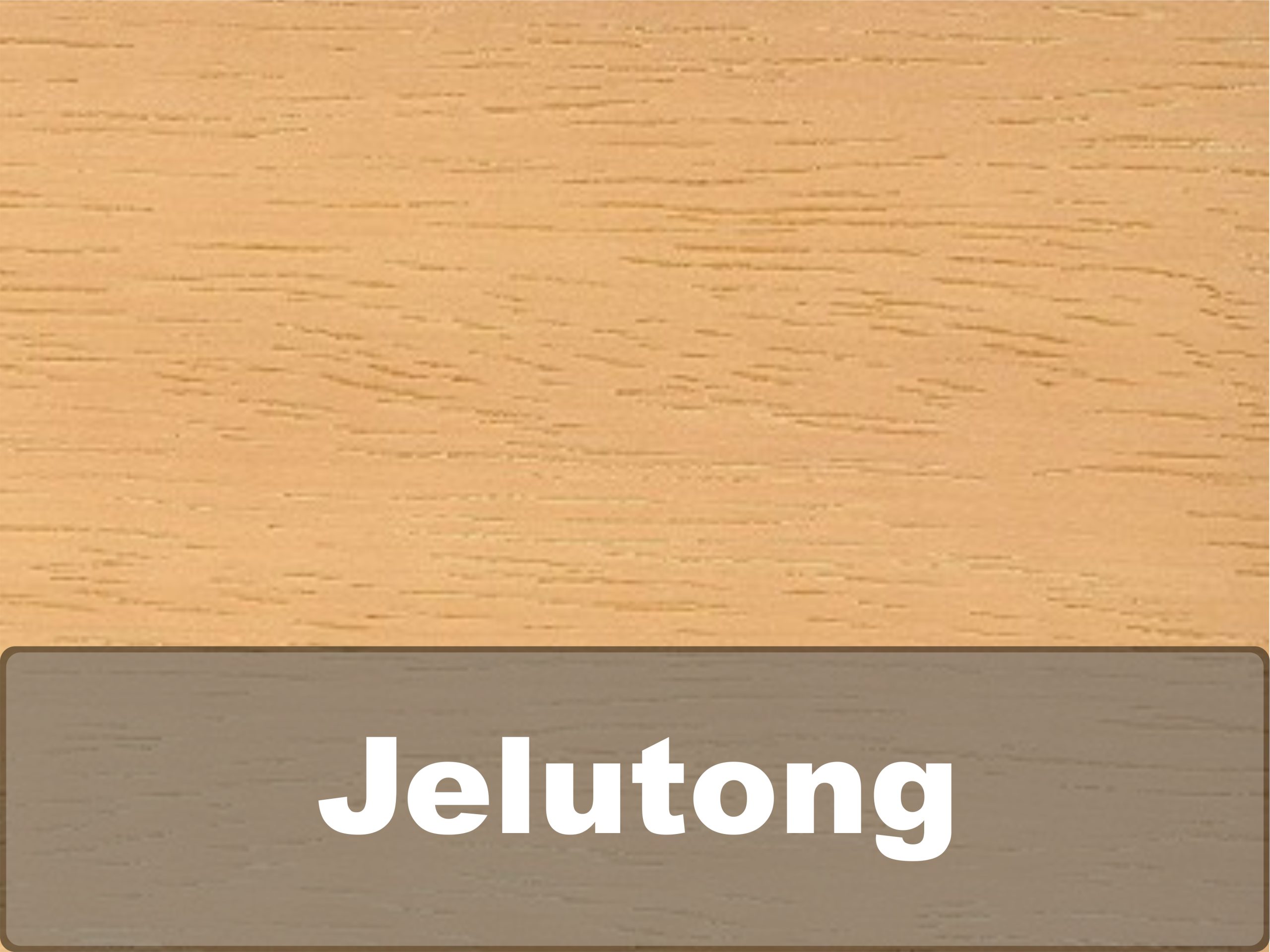
Dyera costulata, or jelutong, is a tall tropical tree native to Malaysia, Borneo, Sumatra, and southern Thailand, growing up to 80 m high. It thrives in lowland evergreen forests and produces latex once used in chewing gum (1920s–1960s). Jelutong is commercially grown for timber but has been overharvested and is now protected in some areas. Its sawdust can cause allergic reactions.
Uses
Jelutong is used for its wood. Along with balsa it is technically a hardwood with many properties similar to that wood. These properties such as the low density, straight grain and fine texture mean it is easy to work with and hence popular with model makers and within the patternmaking trade. The roots are used as a cork substitute.
Description
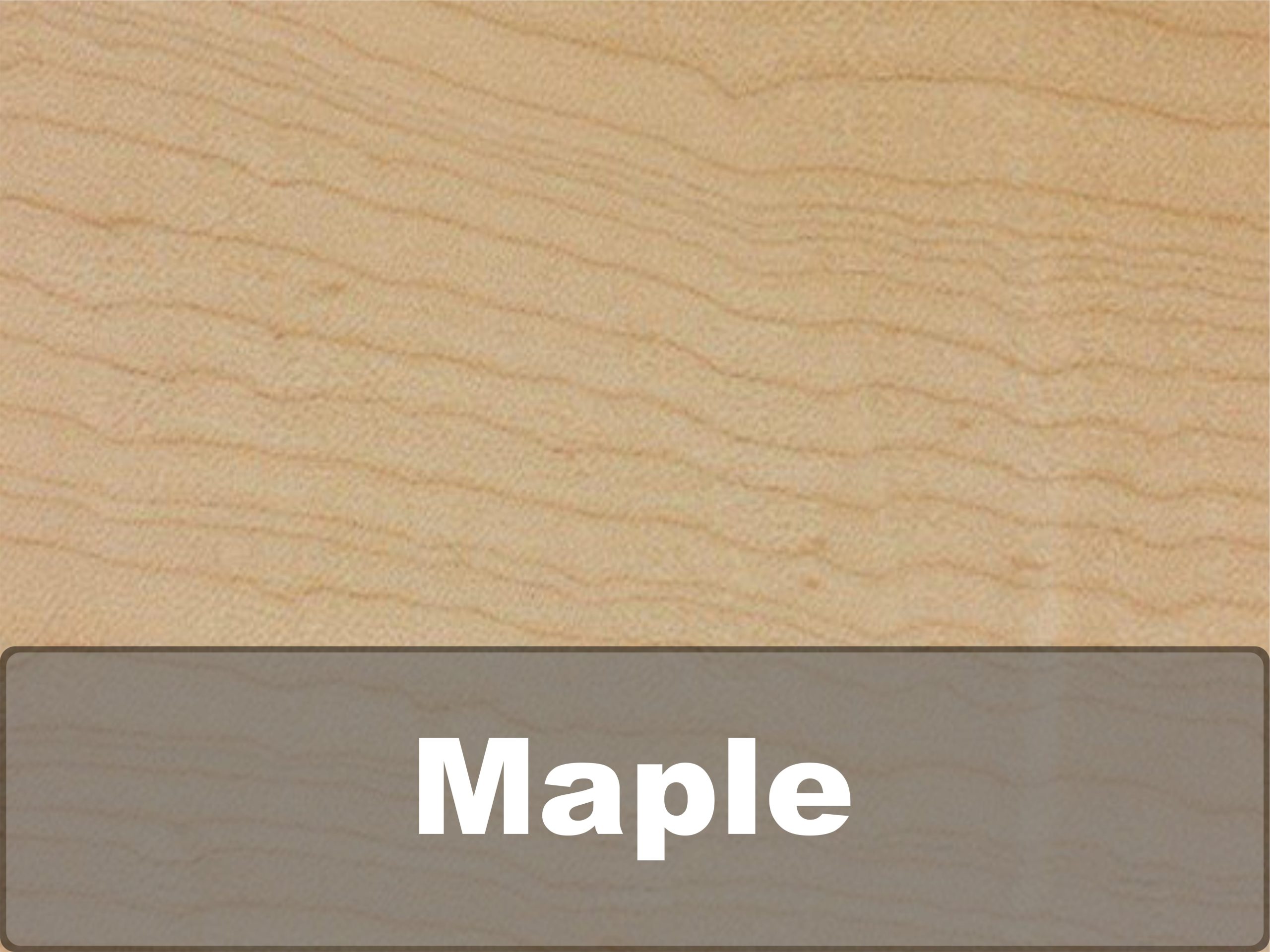
Maples (genus Acer) are mostly deciduous trees or shrubs known for their opposite, often lobed leaves and vivid autumn colors. Native to temperate regions, they range in height from under 10 m to 45 m (33–148 ft), with a few evergreen species found in southern Asia and the Mediterranean. Many are understory or pioneer species with dense, fibrous roots that limit nearby vegetation. Maples reproduce via samaras—paired, winged seeds that spin as they fall. They flower in late winter or spring, providing early nectar for bees. Some species form clonal colonies via root sprouts. The genus, part of the Sapindaceae family, likely originated in the Late Paleocene in northeastern Asia, later spreading to other regions. Fifty-four species are currently threatened with extinction.
Description
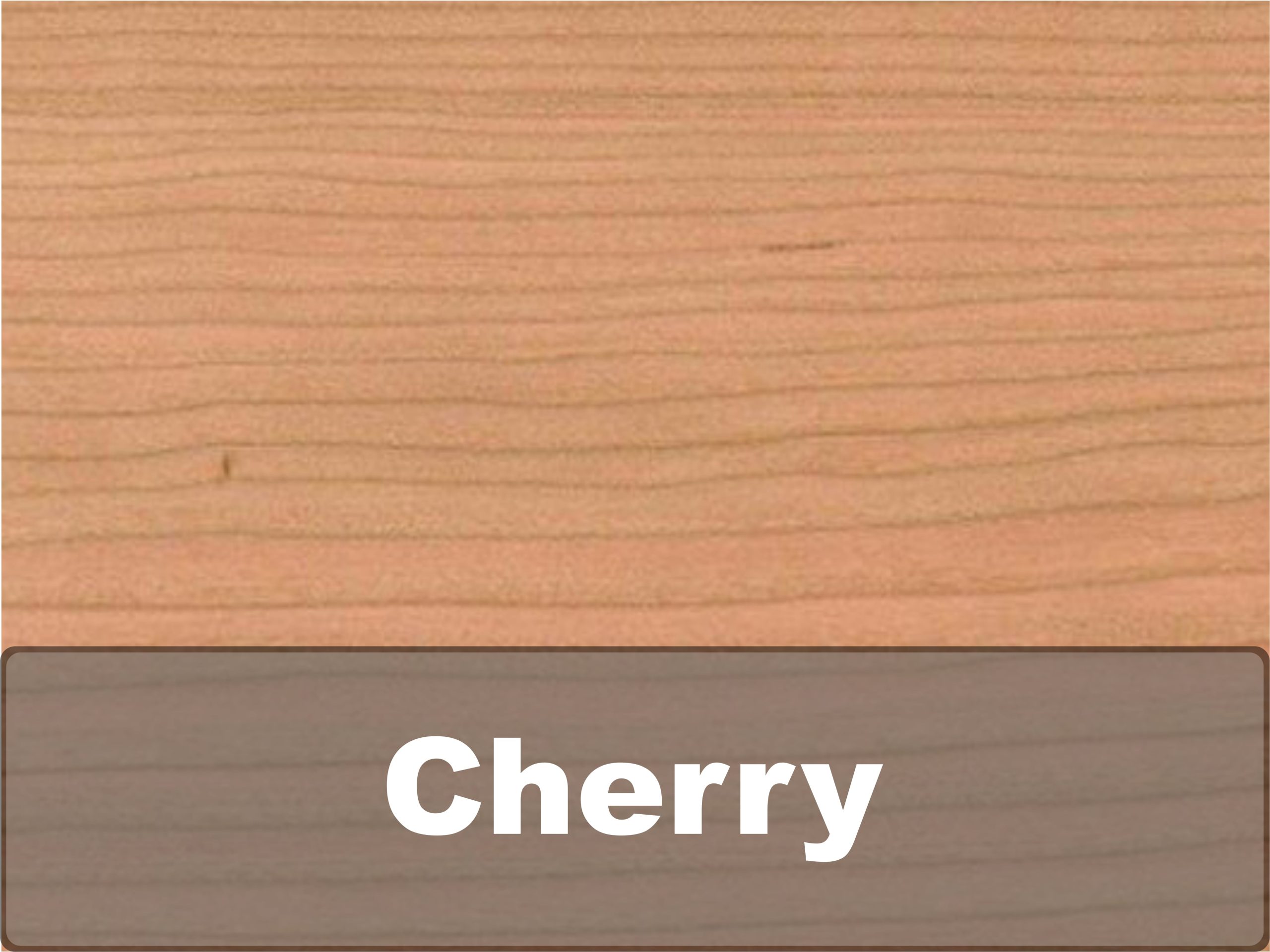
Cherrybark oak (Quercus pagoda) is one of the largest and fastest-growing red oaks in the southern U.S., reaching heights of 30–40 m (100–130 ft) and trunk diameters up to 152 cm (60 in). It thrives on moist bottomland soils and grows faster than most other oaks in its range. Named for its bark, which resembles that of black cherry, it has gray, scaly ridges. Its leaves are large (up to 25 cm long), dark green, and deeply lobed in a pagoda-like pattern, often with an alternate lobe arrangement. Twigs are thick, hairy when young, and may develop galls. The tree is monoecious, with separate male and female catkins appearing February–May. Acorns, globular and 1.5 cm long, mature in the second year and germinate in spring. Though once grouped with southern red oak (Q. falcata), cherrybark oak is now recognized as a distinct species with differences in habitat, leaf shape, and bark.
Uses
Cherrybark oak usually has a relatively branch-free merchantable bole in contrast with other bottomland red oaks such as water and willow oak. Because of its good form and quality, cherrybark is regarded as one of the best red oaks. The wood is heavy, hard, and coarse grained. It is used for interior finishing, veneer, general construction, furniture, and cabinets. The color is light reddish brown.
Description
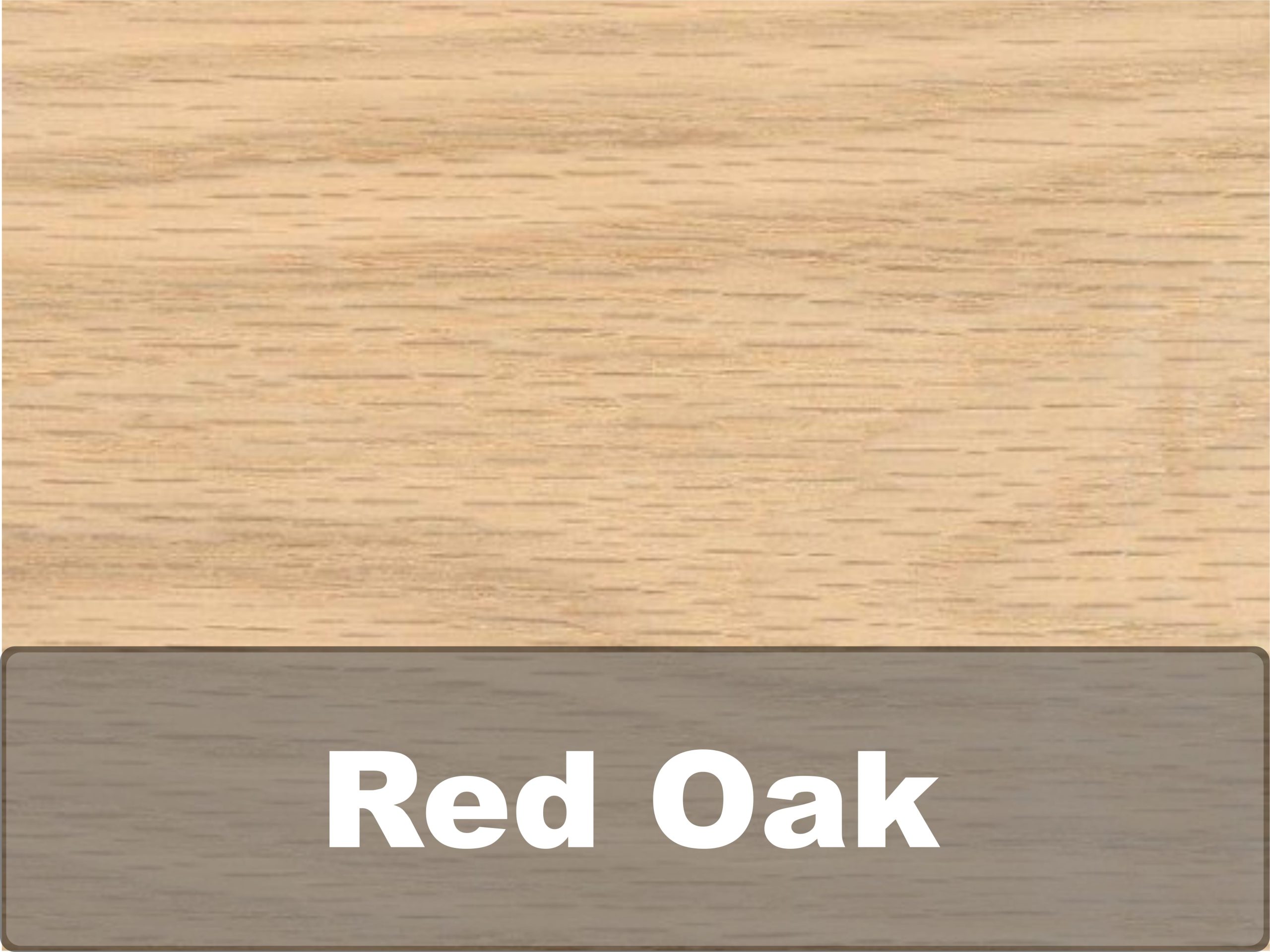
Northern red oak (Quercus rubra) is a fast-growing deciduous tree reaching heights of 28 m (92 ft), and occasionally up to 43 m (141 ft), with trunk diameters of 50–100 cm (20–39 in) or up to 2 m (6.5 ft) in open-grown specimens. It can live for several centuries, with some individuals over 300 years old. The bark is dark reddish-gray with distinct shiny ridges that run vertically, making it easy to identify. Leaves are alternate, 5–10 in long, with 7–11 lobes and pointed tips, turning rich red in autumn. Acorns take two years to mature, drop in early October, and display epigeal dormancy—requiring a cold period to germinate. Leafout is driven by photoperiod rather than temperature, making flowers susceptible to late frosts in colder regions. The wood is pale reddish-brown, coarse-grained, heavy, and used for furniture and construction. Its winter buds are reddish-brown, ovate, and about 6 mm long.
Uses
The northern red oak is one of the most important oaks for timber production in North America. Quality red oak is of high value as lumber and veneer, while defective logs are used as firewood. Other related oaks are also cut and marketed as red oak, although their wood is not always of as high a quality. These include eastern black oak, scarlet oak, pin oak, Shumard oak, southern red oak and other species in the red oak group. Construction uses include flooring, veneer, interior trim, and furniture. It is also used for lumber, railroad ties, and fence posts. Red oak wood grain is so open that smoke can be blown through it from end-grain to end-grain on a flat-sawn board. For this reason, it is subject to moisture infiltration and is unsuitable for outdoor uses such as boatbuilding or exterior trim. The acorns can be collected in autumn, shelled, tied up in a cloth, and leached to remove bitterness. They can then be eaten whole or ground into meal.
Description
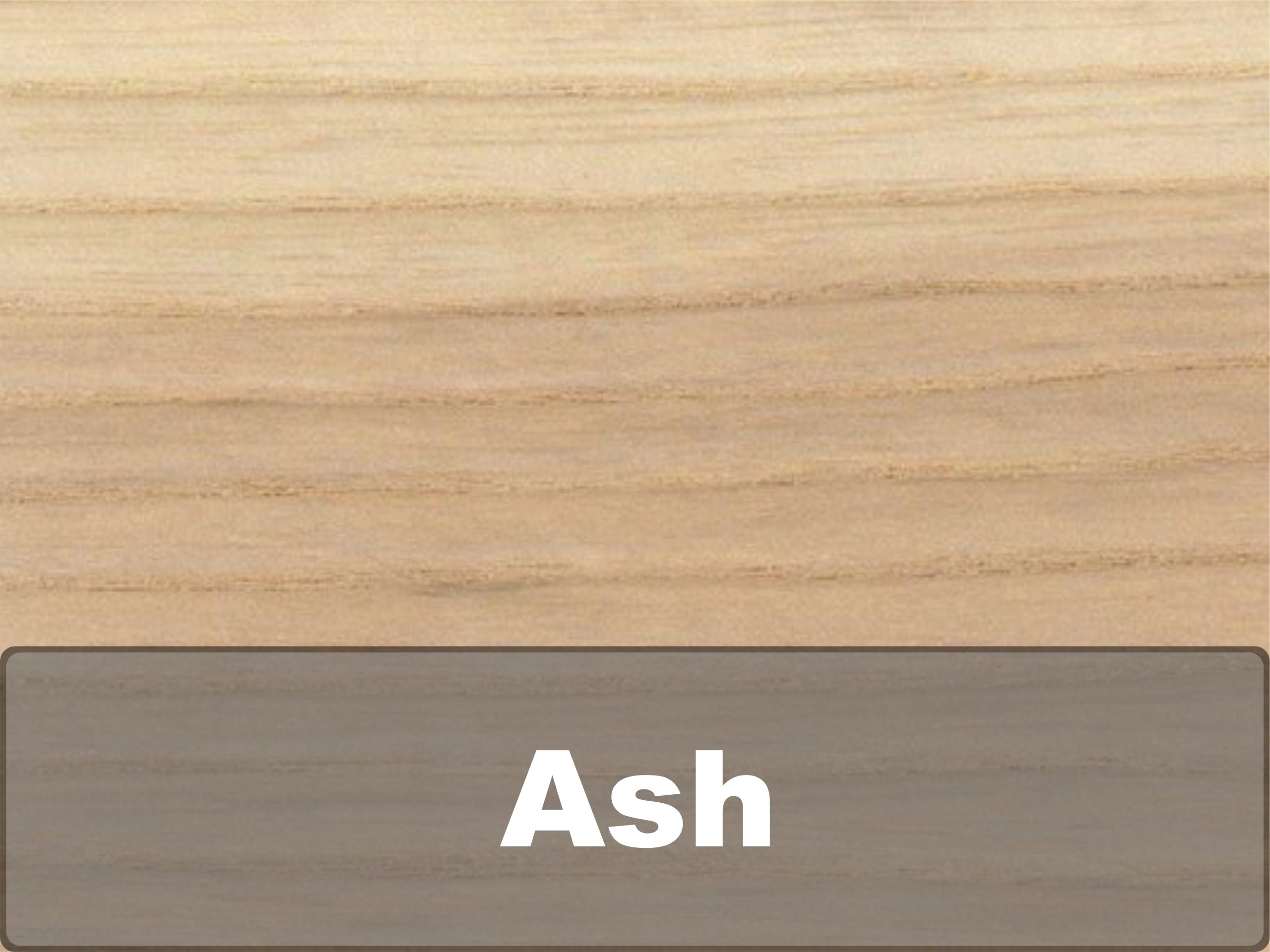
Fraxinus, commonly known as ash, is a genus of 45–65 species of flowering plants in the olive family (Oleaceae). These trees are mostly medium to large, primarily deciduous, though some subtropical species are evergreen. Native across Europe, Asia, and North America, ash trees feature opposite leaves—usually pinnately compound, but occasionally simple or in whorls of three. The fruit is a samara, often called a "key" or "helicopter seed." Many species are dioecious, though sex expression in ash trees exists on a continuum, and some trees may shift toward producing more female flowers as they age. Ash trees planted ornamentally can produce abundant seed litter if both sexes are present. Despite similar leaves and buds, rowans or mountain ashes (genus Sorbus) are unrelated and belong to the rose family.
Description
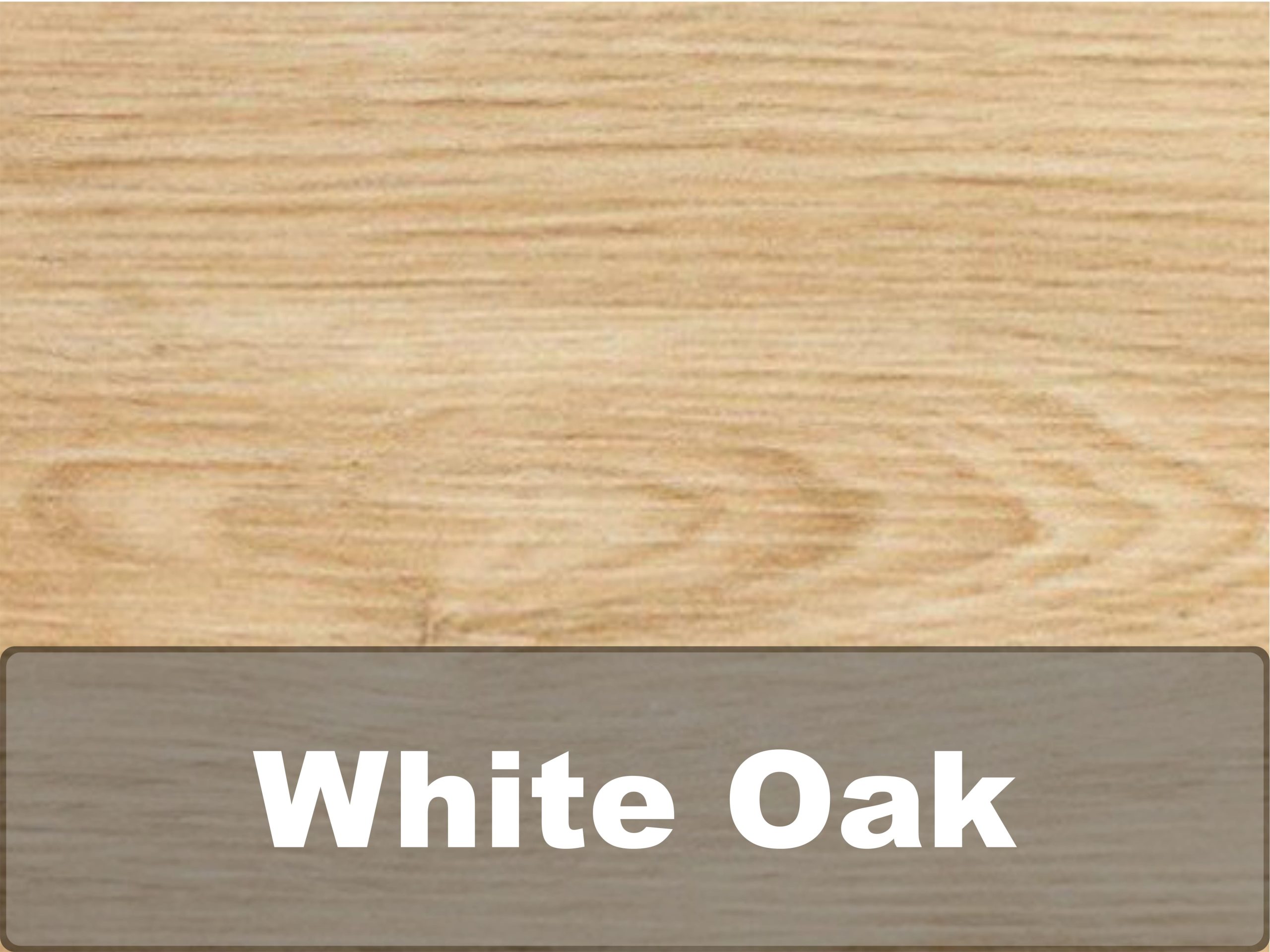
Quercus alba (white oak) is a large deciduous North American tree, typically growing 24–30 m (80–100 ft) tall, with a wide, spreading crown in open areas. It can live over 400 years, with some famous specimens reaching up to 600 years old. The bark is light gray and scaly, often forming overlapping ridges halfway up the trunk.
Leaves are 13–23 cm (5–9 in) long, with 7 rounded lobes and no bristles. Young leaves are pink and downy, maturing to glossy green and turning red or brown in autumn. Acorns mature in one year and germinate immediately without dormancy. The wood is strong, heavy, and durable, widely used in construction and furniture.
Uses
Quercus alba (white oak) is rarely used in landscaping due to its slow growth, large size, and intolerance to urban pollution and salt. Its small, mildly bitter acorns are edible (after leaching if needed) and are an important food source for many birds and mammals.
The wood is rot- and water-resistant thanks to its tyloses, making it ideal for barrels, shipbuilding, furniture, and martial arts weapons. Its attractive grain is popular in Craftsman-style furniture. White oak is also used in musical instruments and required by law for bourbon barrels, where it adds flavor during aging.
Description
The balatá is a large tree, growing to 30-45 m (98-148 ft) tall. The leaves are alternate, elliptical, entire, and 10-20 cm (3.9-7.9 in) long. The flowers are white, and are produced at the beginning of the rainy season. The fruit is a yellow berry, 3-5 cm (1.2-2.0 in) in diameter, which is edible; it contains one (occasionally two) seed(s). Its latex is used industrially for products such as chicle.
Uses
The latex of Manilkara bidentata is extracted similarly to rubber tree sap and is dried into a rubber-like material, similar to gutta-percha. It was once used for golf ball covers but is now obsolete, replaced by Surlyn and urethane.
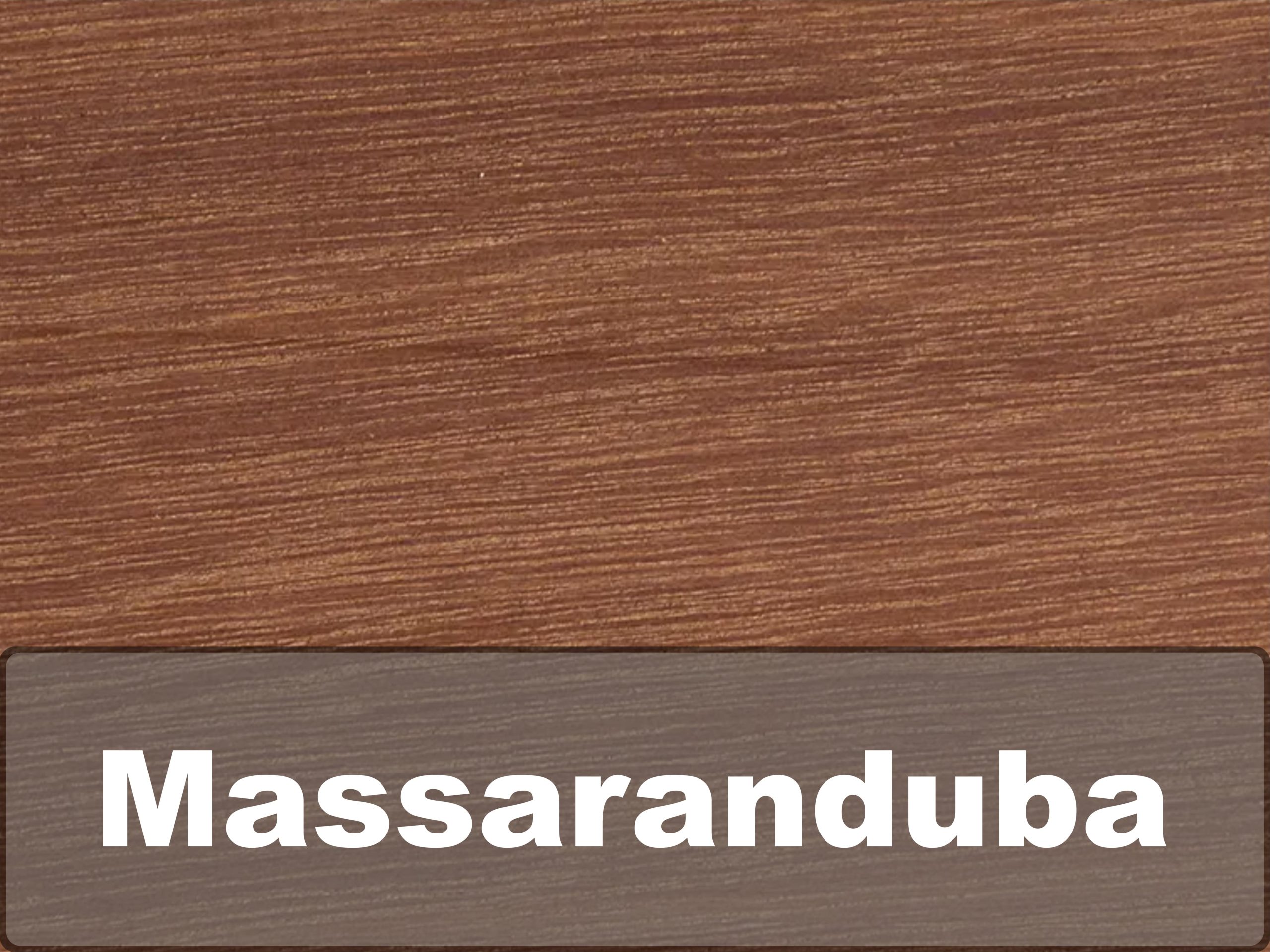
Brazil is the largest producer of Massaranduba wood, known for its dense, red heartwood, often called "bulletwood" due to its hardness. It's used in furniture and construction, and doesn't float on water. The tree’s fruit is edible, and its heartwood is sometimes confused with "purpleheart" wood, though they are different species. The timber is also used for outdoor furniture, marketed as "Pacific Jarrah" in Australia.
Description
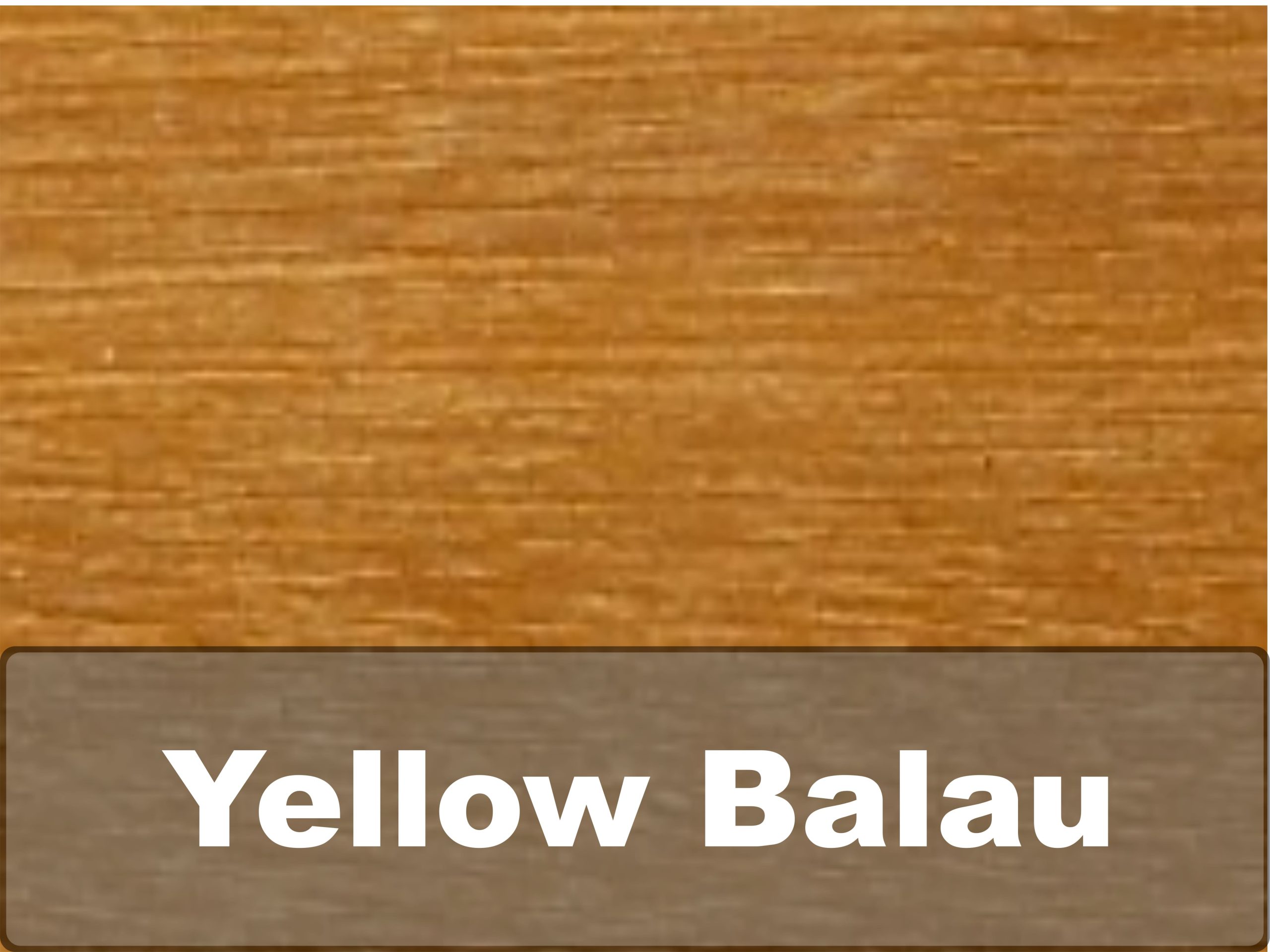
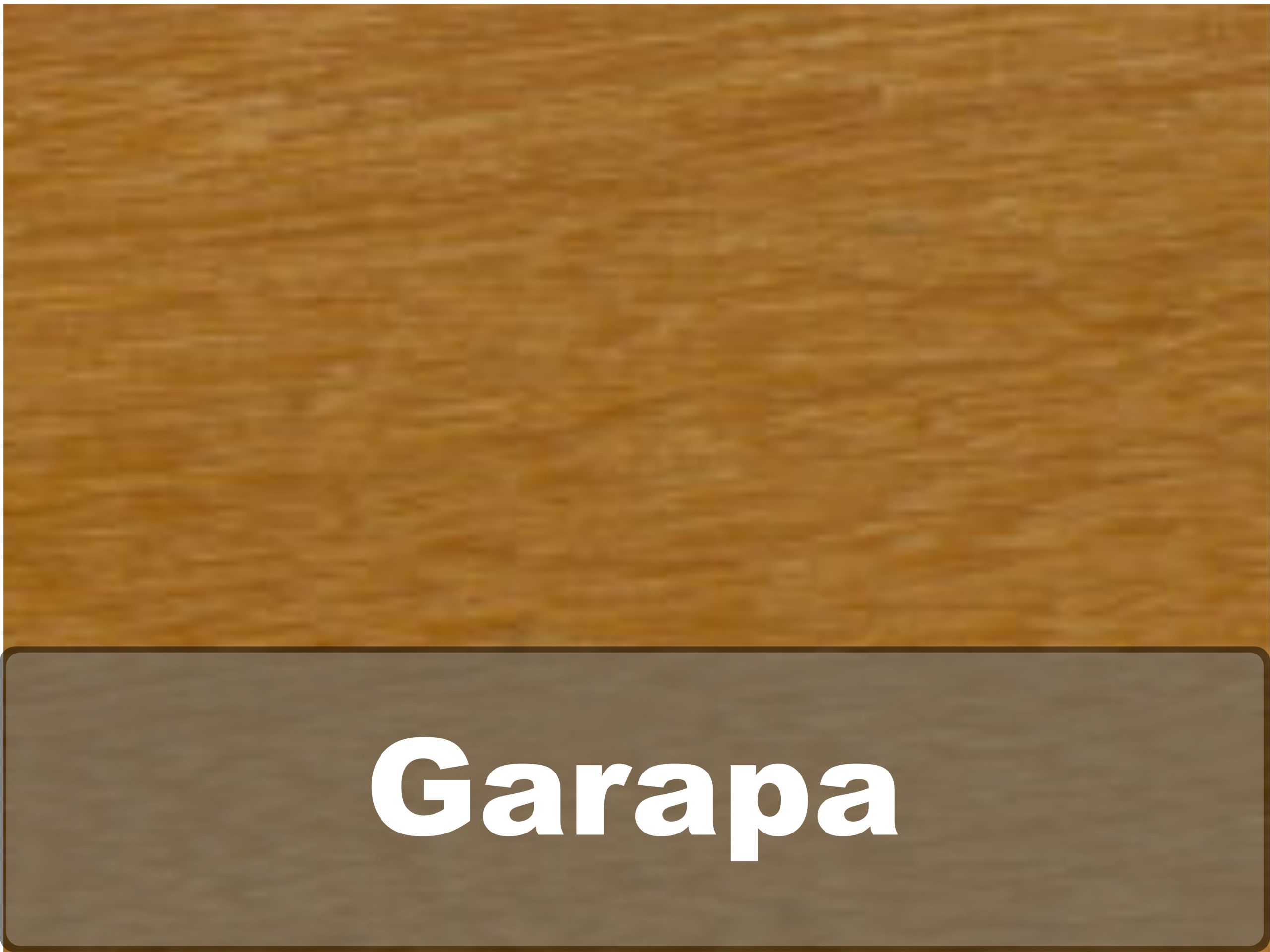
It has a flattened, wide, dense crown. It reaches 25-40 m (82-131 ft) in height, with a slightly tortuous and very long trunk, with fins at the base. Rhytidoma that splits into discs. Leaves imparipinadas composed, 05.11 leaflets 6 cm (2.4 in) long. It has small white flowers in clusters, blooming when the leaves fall. The legume fruit is 4 cm (1.6 in) long, with 2-3 seeds, which are 5 mm (0.20 in) and difficult to extract.
It flowers (austral) from September to November, fruiting from October to December, and seed is harvested from November to February.
Uses
Garapa is mainly used for gardening and terrace construction. Due to its high durability, the very high hardness (compressive strength 63 N/mm²) and the good durability even outdoors, it is used for buildings on and in the water, among other things. The wood is as good as knot-free and only finely cracked, especially at the ends, and contains very little resin . Garapa does not work as hard as other comparable hardwoods (shrinkage: 7.5% tangential, 4.4% radial).
Description
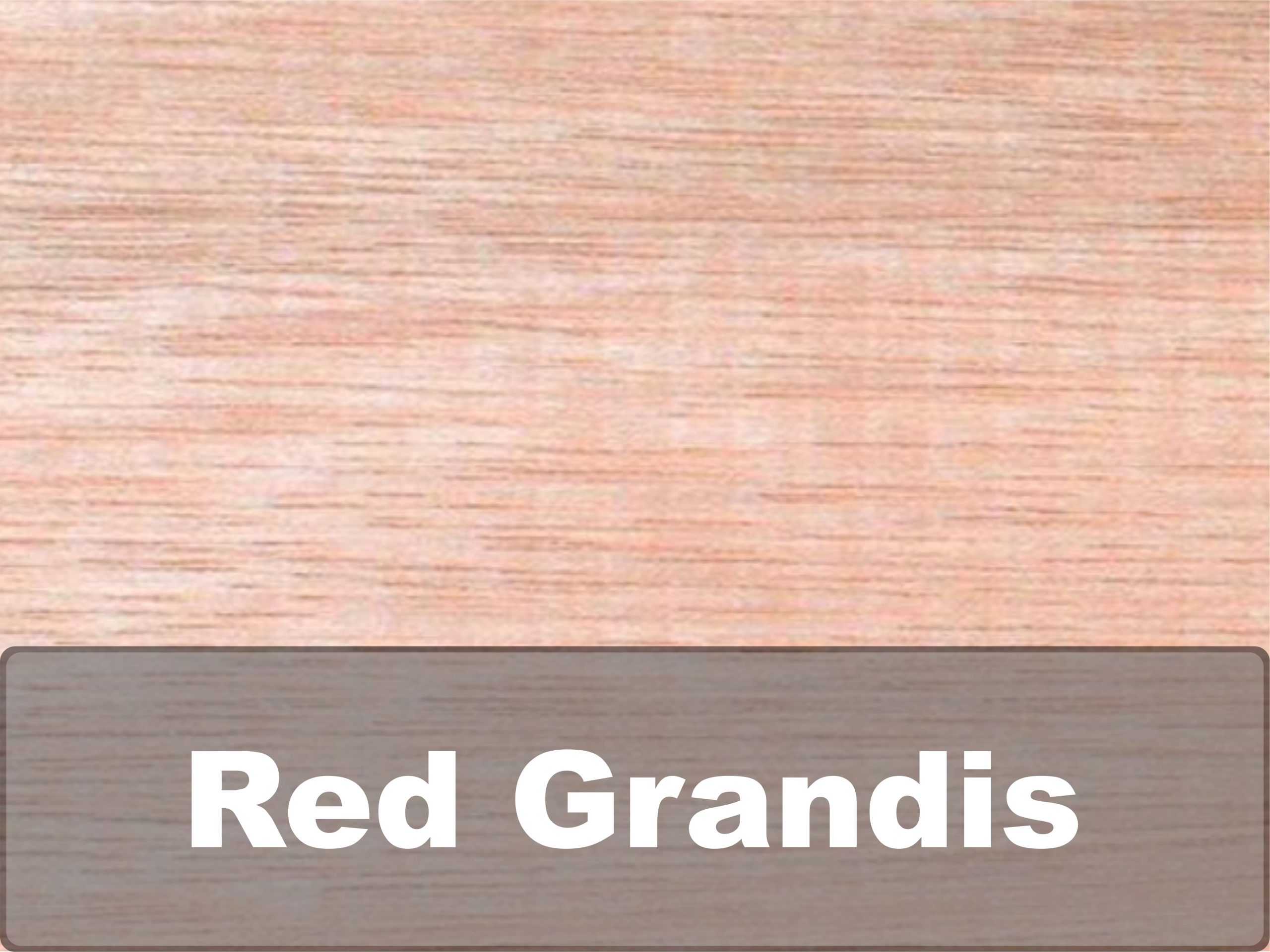
Eucalyptus grandis is a tall, straight forest tree reaching 50 m (160 ft) or more, with some giants like “The Grandis” growing up to 86 m (282 ft). It has a smooth, powdery pale-grey to white bark with a rough brown base, and its dark green, lance-shaped leaves are 10–16 cm long with oil glands dotting their surface.
White flowers bloom from April to August, followed by small cone-shaped fruit. The species is similar to E. saligna (Sydney blue gum), which has narrower leaves and more bell-shaped fruit, and to E. deanei, which has wider leaves and smooth bark throughout.
Uses
Flooded gum (Eucalyptus grandis) is a fast-growing, straight-trunked tree valued for timber and pulp, with large plantations in South Africa, Brazil, Uruguay, and parts of Australia and Sri Lanka. Its pink-tinged wood is used in flooring, joinery, and boatbuilding, and is resistant to Lyctus borers.
It attracts pests like Christmas beetles and sawflies, though less palatable clones have been developed to reduce damage. Too large for most gardens, it suits parks, farms, and riverbank stabilization. In South Africa, it’s also a key nectar source for beekeepers during flowering season.
Description
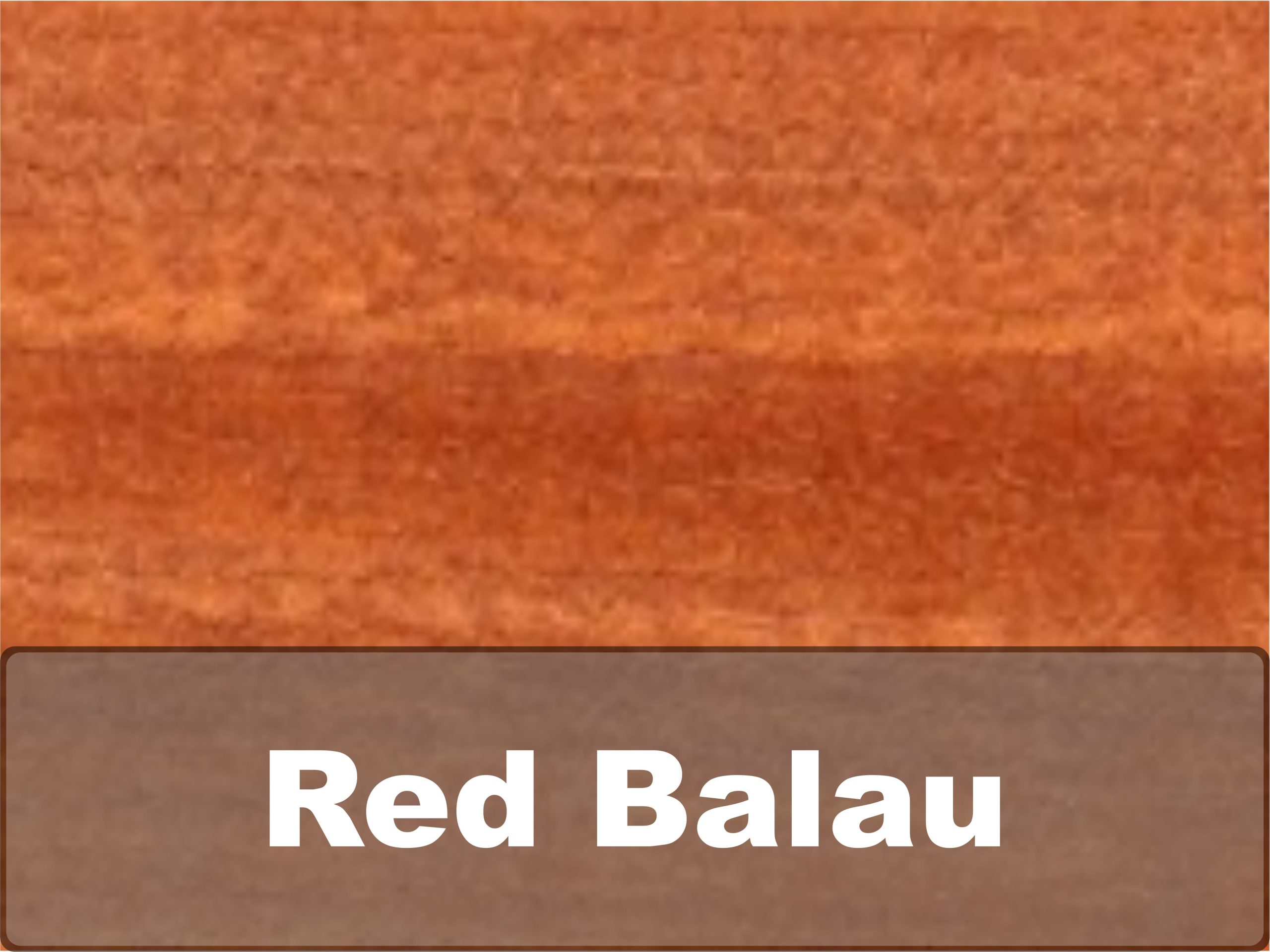
Shorea spp. are native to Southeast Asia, from northern India to Malaysia, Indonesia, and the Philippines. In west Malesia and the Philippines, this genus dominates the skyline of the tropical forests. The tallest documented tropical angiosperm is an 88.3-m-tall Shorea faguetiana in the Tawau Hills National Park, in Sabah on the island of Borneo, and in that park at least five other species of the genus have been measured to be over 80 m tall: S. argentifolia, S. gibbosa, S. johorensis, S. smithiana, and S. superba. Borneo is also the hotspot of Shorea diversity with 138 species, of which 91 are endemic to the island.
Uses
Many economically important timber trees belong to Shorea. They are sold under various trade names including "lauan", "lawaan", "meranti", "seraya", "balau", "bangkirai", and "Philippine mahogany". (For a list of species associated with each name, see the article on Dipterocarp timber classification.) The "Philippine mahogany" sold in North America is not a true mahogany at all, but a mixture of woods from the genus Shorea. Other products from Shorea spp. include dammar and illipe. Dammar is a resin collected from a variety of species. It varies in colour among the different taxonomic groups. Shorea wiesneri is listed in many websites as an important source of dammar; however, this appears to be either a trade name or a synonym. Borneo tallow nut oil is extracted from the egg-shaped, winged fruit of Shorea species.
Description
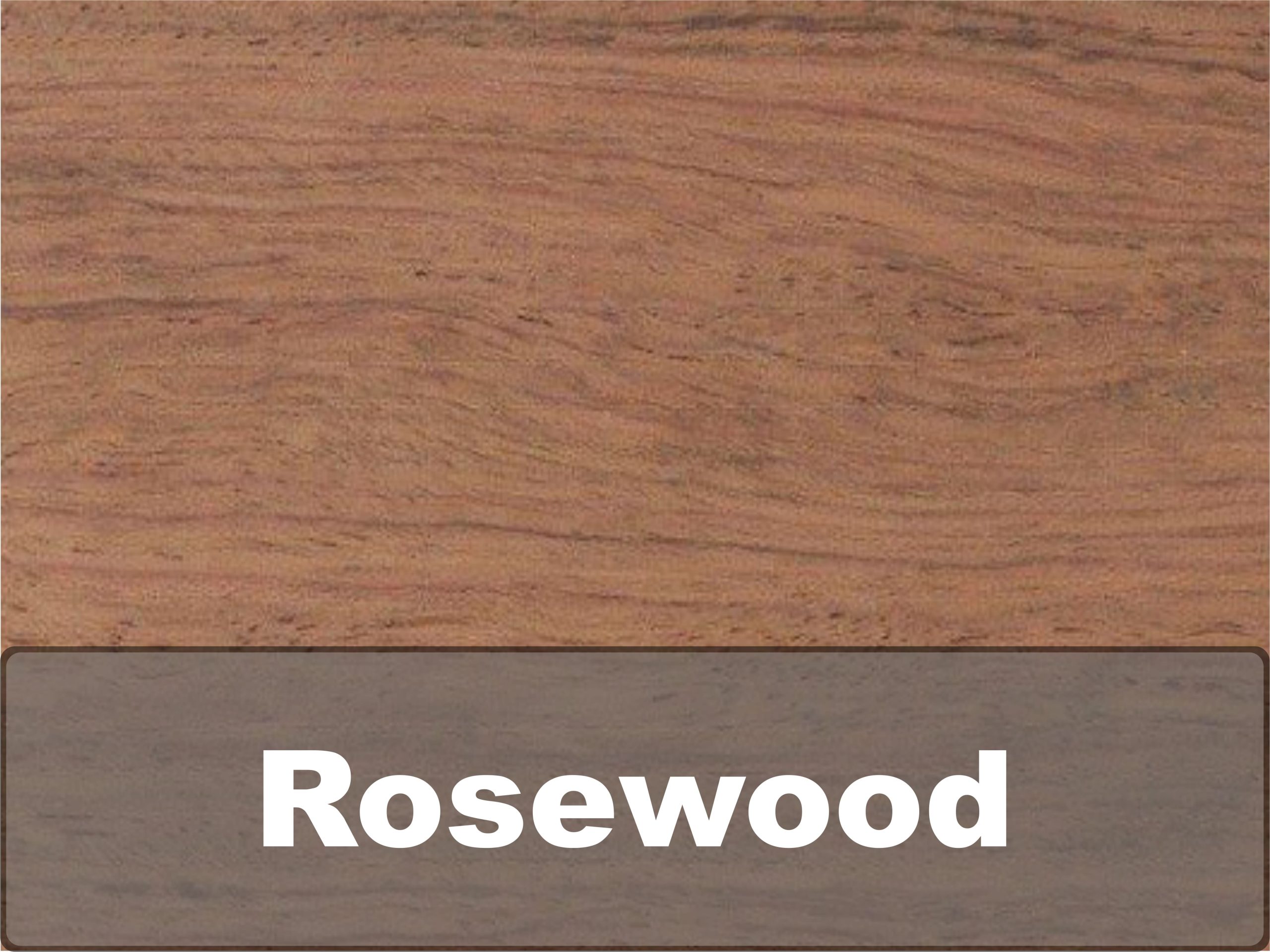
African Rosewood is a species from the same genus as Bubinga (Guibourtia), which has led to Bubinga often mistakenly being referred to as "African Rosewood." The grain is generally straight but can be interlocke; its texture is moderately satisfactory. The heartwood colour ranges from pink to reddish-brown, with purple or red streaks/lines/highlights. Despite clear legal regulations governing the forest sector in Zambia, a peculiar value chain has developed in recent years around highly valuable trees, which are sold mainly on the Chinese market under the general name of 'rosewood' and known in Zambia as 'mukula'. African Rosewood works well, although it can have a moderate blunting effect on tools. It glues and finishes well. It needs to be dried slowly and carefully to prevent warping and to crack. It's a durable wood and is considered stable once dried. Timber Qualities: The grain is generally straight but can be interlocked, moderately satisfactory and is pink to red-brown with purple streaks. It has a moderate blunting effect on tools and finishes well. It needs to be dried carefully to prevent distortion and cracking. It is stable once dried. COUNTRIES OF DISTRIBUTION: Angola, Botswana, Cameroon, Namibia, Swaziland, Zambia & Zimbabwe ENVIRONMENTAL PROFILE: Generally, secure within its natural habitat. Some sustainably managed sources in Africa. HEARTWOOD COLOUR: Red, reddish brown with some purple streaks. Mellows to a darker hue. SAPWOOD COLOUR: White and yellow clearly differentiated from the heartwood.
Uses
This timber has various uses, from small decorative pieces to larger pieces of furniture and architectural woodwork. Finishing qualities rated as good. Glues and planes well with some care. Difficult to work with hand tools. Excellent polishing results.
Description
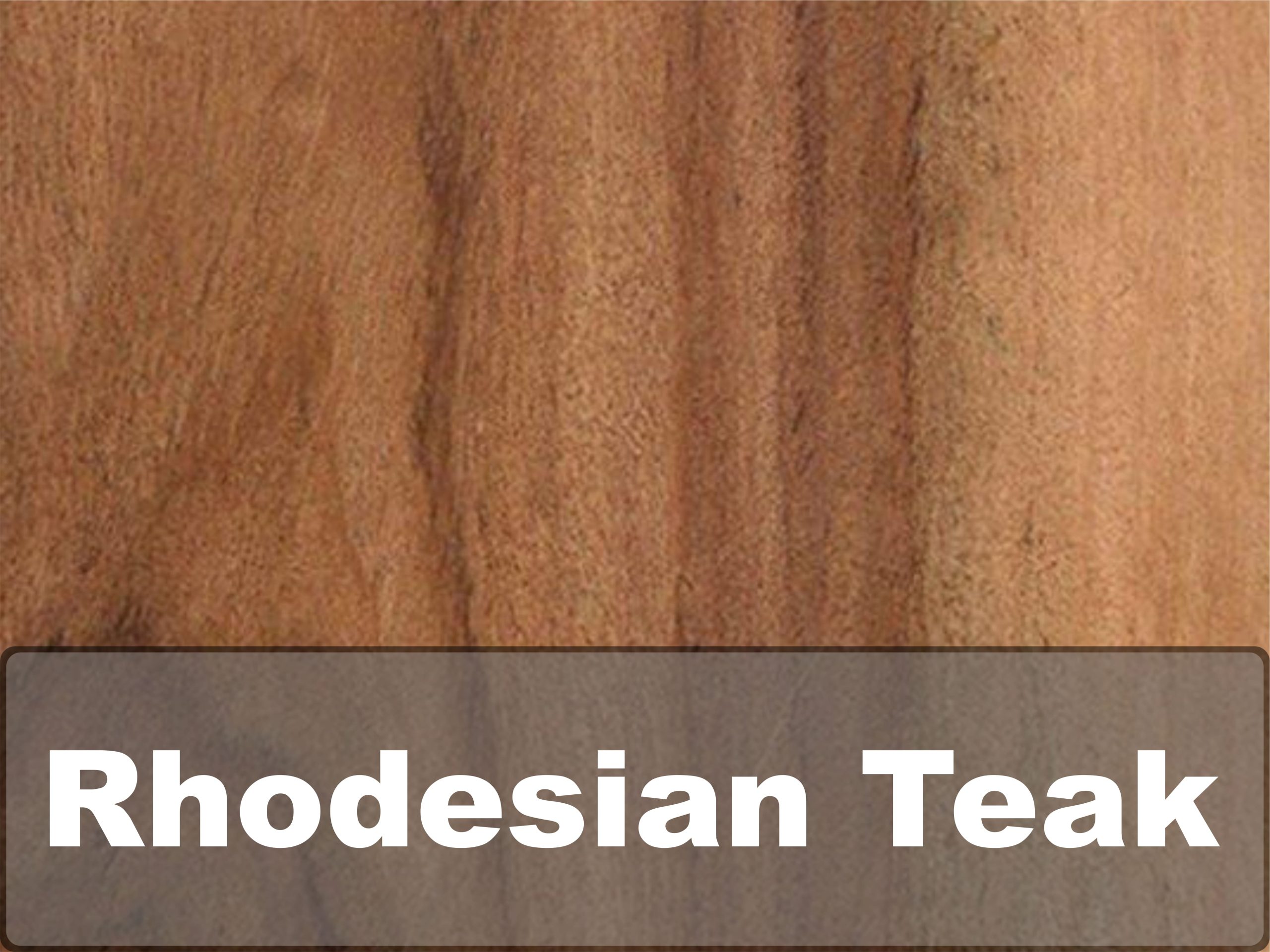
Milicia excelsa is a tall deciduous tree reaching up to 50 m, with a high canopy and umbrella-like crown. It has thick grey bark that exudes latex when damaged and short buttress roots at the base. Leaves are ovate, 5–10 cm long, with fine teeth and visible veining underneath. The species is dioecious, with long male catkins and shorter female flower spikes.
Fruit is fleshy with embedded seeds. Growth traits vary with environment—especially soil and rainfall. Its dense, reddish-brown heartwood, known as African teak (though not true teak), is durable but hard to work due to its weight and silica content.
Uses
Flooring, veneer, millwork, stringed instrument fingerboards, carvings, turned objects and small speciality items. Comments: Because of its tannin content, moist Wood will stain when in contact with iron. The Wood has seen recent fluctuations in supply, as part of its natural range (in Southern Africa) has been decimated. The Wood is reputed to flourish under difficult growing conditions, so collections are still accessible. Rhodesian Teak has a low shrinkage rate and is considered bled, dimensionally stable wood when dry.
Description
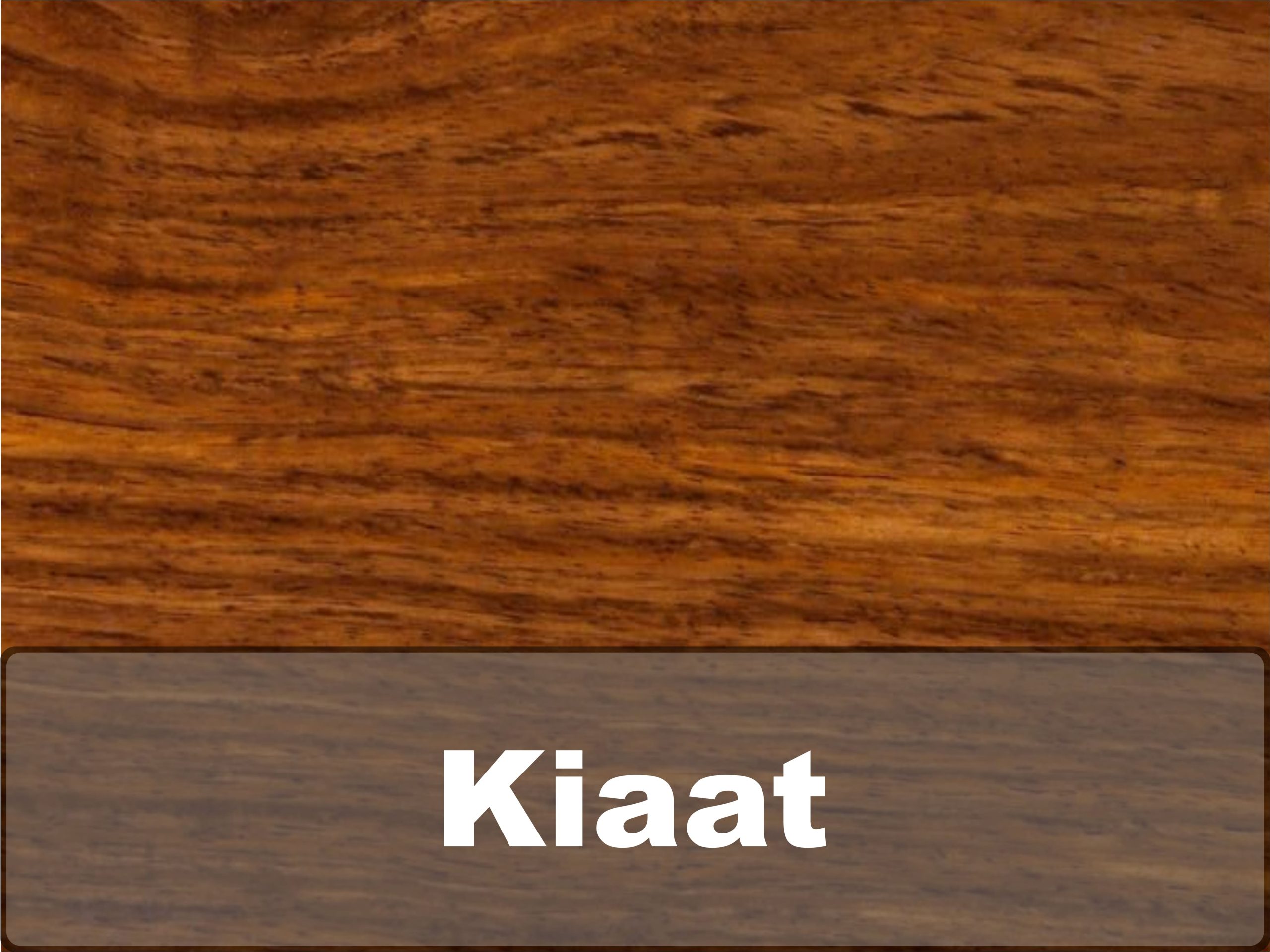
Pterocarpus angolensis, commonly known as kiaat, is a deciduous tree reaching up to 16–19 m tall, with dark brown bark and a broad, spreading canopy of shiny, compound leaves. It thrives in wetter regions, producing fragrant orange-yellow flowers in spring, typically just after the dry season. Leaves are alternate and pinnate with 11–19 leaflets. Its distinctive seed pods are round, flat, winged structures resembling a "fried egg," persisting long after leaf fall.
Kiaat grows across southern and eastern Africa, preferring deep sandy or rocky soils with over 500 mm of annual rainfall. It is a pioneer species, often found in open woodlands. The tree supports a variety of wildlife, but is occasionally toppled by elephants. Its wood is durable, termite-resistant, and prized for its stability and ease of working. The heartwood varies in color from golden to reddish-brown, with straight to interlocked grain and a lustrous finish, making it suitable for a wide range of applications.
Uses
Furniture, boatbuilding, veneer, turnings, and other small wooden objects. Kiaat has been utilised for centuries in various applications in its native Africa. It is renowned for its strength and durability. It has extremely low shrinkage rates and is considered a dimensionally-stable wood. Its relatively small tree size makes larger boards difficult, if not impossible, to access, with small craft pieces being more commonly found.
Description
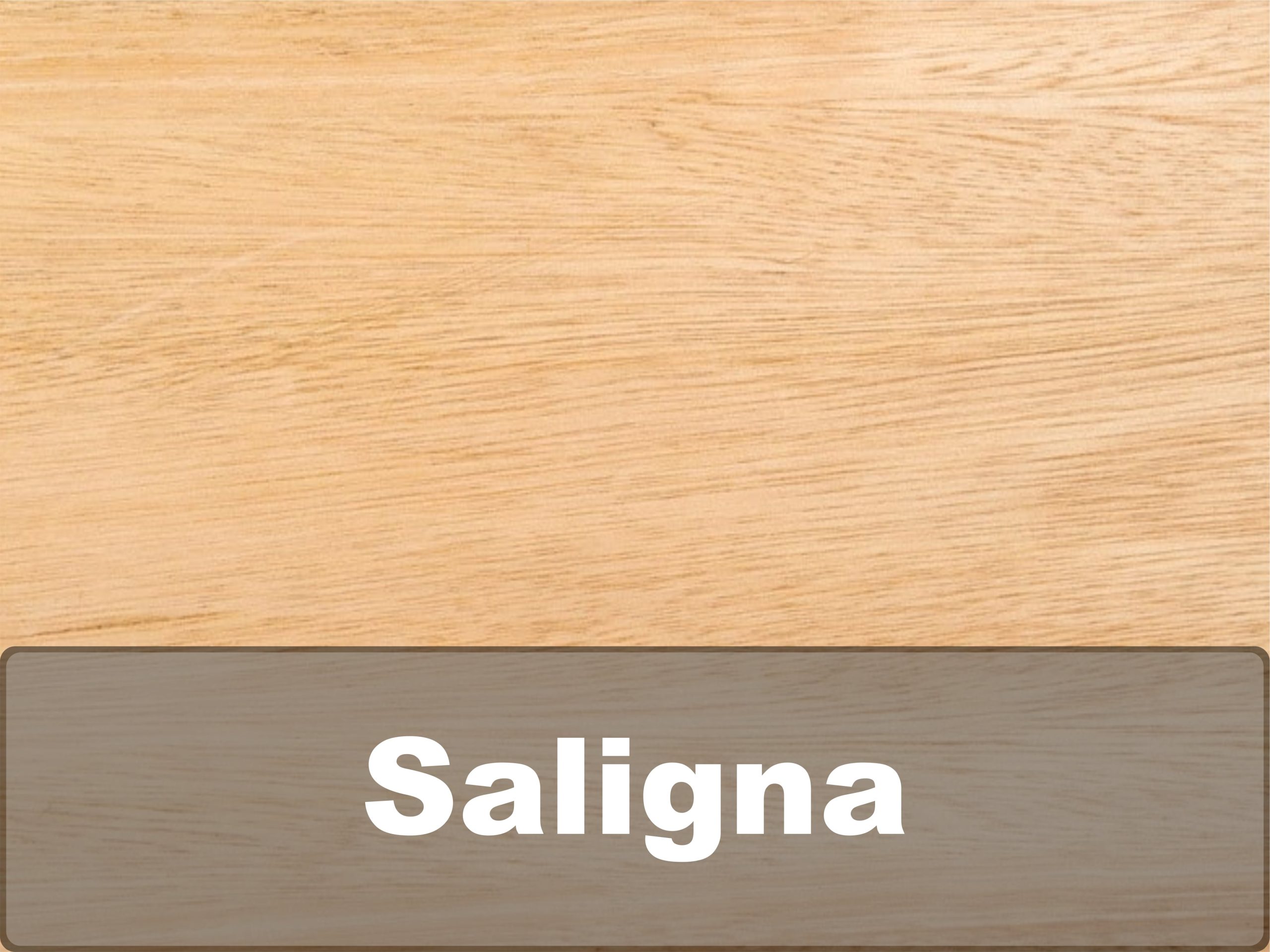
Eucalyptus grandis is a tall evergreen tree native to Australia, growing 25–55 m high, with smooth bark that sheds in strips and a rough base up to 4 m. It has glossy dark green leaves, cream flowers from April to August, and brown, powdery fruit capsules.
It invades forest edges and watercourses in South Africa, particularly in KwaZulu-Natal, Mpumalanga, and Limpopo. The wood has a straight grain with moderate strength and durability. Heartwood ranges from red to brown or pink, with paler sapwood.
Uses
It is an attractive, straight-trunked tree in demand for timber and pulp. The timber has a pinkish tinge and is used in joinery, flooring, boat building, panelling and plywood. Joinery, flooring, decking, boatbuilding, panelling and scaffolding and furniture, The sapwood is pale yellow and varies in colour from a light pink to brown heartwood. The grain is interlocked, and the texture is coarse. It is easy to work with but is a bit fibrous, and care is needed when cross-cutting. It nails, screws and glues easily. It is moderately durable. Used as timber, shelter, shade, firewood, and honey source. Glues, nails, planes, screws, sands, and turns easily. Responds well to hand tools. Does split and can tear when cutting across the grain. Finishes when painting and polishing are good. Can be resistant to staining and impregnation.
Flooring
Description
Pine trees are evergreen conifers that typically grow 15–45 m tall, though some species are smaller or much taller. They are long-lived, often reaching 100–1,000 years, with the oldest known individual, “Methuselah,” being around 4,800 years old. Pines have thick or flaky bark, and their branches grow in spiral-like whorls. They produce four leaf types, with adult needles grouped in fascicles and lasting from 1.5 to 40 years. Pines are monoecious, bearing both male and female cones. Female cones take 1.5–3 years to mature and often open to release wind- or bird-dispersed seeds. Some cones open only after fire, a trait called serotiny.
Uses
Pines are economically important trees grown for timber, pulp, and ornamental use. Their fast growth and dense wood make them ideal for indoor construction and furniture, though outdoor use requires chemical treatment. They're also valued for Christmas trees, crafts, and decorations. Pine plantations are harvested between 25–50 years, with periodic thinning to improve growth and wood quality. Edible parts include seeds (pine nuts), young cones, bark, and needles, which are used in food, tea, and even wine. Pine resin and needles also have traditional medicinal and modern biodegradable uses.
Description
The wood is very hard, measuring 5.6 on the Brinell scale and 2,350 lbf (10,500 N) on the Janka scale, approximate measurements of hardness. For comparison, Douglas fir measures 660 lbf (2,900 N), white oak 1,360 lbf (6,000 N), and Brazilian walnut 3,800 lbf (17,000 N) on the Janka scale. It features a tan to salmon color with black accent stripes that over time turn to a deep and vibrant red.
Description
Entandrophragma cylindricum is native to tropical Africa. There are protected populations and felling restrictions in place in various countries. The species grows to a height of up to 45 m (rarely 60 m). The leaves are deciduous in the dry season, alternately arranged, pinnate, with 5-9 pairs of leaflets, each leaflet about 10 cm long. The flowers are produced in loose inflorescences when the tree is leafless, each flower about 5 mm diameter, with five yellowish petals. The fruit is a pendulous capsule about 10 cm long and 4 cm broad; when mature it splits into five sections to release the 15-20 seeds.
Uses
This commercially important hardwood is reminiscent of mahogany, and is a part of the same Meliaceae family. It is darker in tone and has a distinctive figure, typically applied where figure is important. Sapele is particularly prized for a lustrous iridescence with colors that range from light pink to brown and gold to red. It has a high density of 640 kg/m3 and interlocked grain, which can make machining somewhat difficult. Demand for sapele increased as a mahogany substitute in recent years due to genuine mahogany becoming a CITES Appendix II listed species. It is used in the manufacture of furniture, joinery, veneers, luxury flooring, musical instruments, and boat building. Among its more exotic uses is in musical instruments. It is used for the back and sides (and sometimes top) of acoustic guitar bodies, as well as the bodies of electric guitars. It is also used in manufacturing the neck piece of ukuleles and 26- and 36-string harps. In the late 1990s, it started to be used as a board for Basque percussion instruments txalaparta.
Description
Entandrophragma is restricted to tropical Africa. At least some of the species attain large sizes, reaching 40-50 m tall, exceptionally 60 m, and 2 m in trunk diameter. In 2016 a specimen of Entandrophragma excelsum towering at a height of 81.5 m (267 ft 5 in) tall, and a 2.55 m (8 ft 4 in) dbh was identified at Kilimanjaro. It is dioecious, with male and female flowers on separate plants. The leaves are pinnate, with 5-9 pairs of leaflets, each leaflet 8-10 cm long with an acuminate tip. The flowers are produced in loose inflorescences, each flower small, with five yellowish petals about 2 mm long, and ten stamens. The fruit is a five-valved capsule containing numerous winged seeds.
Uses
The wood, often traded as ‘kosipo’, ‘omu’ or ‘candollei’, is used for construction, exterior and interior joinery, boat building, furniture, cabinet work, veneer and plywood. It is suitable for flooring, interior trim, vehicle bodies, toys, novelties, boxes, crates and turnery. The bark is used in traditional medicine. Bark sap is applied externally as an anodyne, and sap of the root bark is applied to snakebites.
Description
Dyera costulata, or jelutong, is a tall tropical tree native to Malaysia, Borneo, Sumatra, and southern Thailand, growing up to 80 m high. It thrives in lowland evergreen forests and produces latex once used in chewing gum (1920s–1960s). Jelutong is commercially grown for timber but has been overharvested and is now protected in some areas. Its sawdust can cause allergic reactions.
Uses
Jelutong is used for its wood. Along with balsa it is technically a hardwood with many properties similar to that wood. These properties such as the low density, straight grain and fine texture mean it is easy to work with and hence popular with model makers and within the patternmaking trade. The roots are used as a cork substitute.
Description
Maples (genus Acer) are mostly deciduous trees or shrubs known for their opposite, often lobed leaves and vivid autumn colors. Native to temperate regions, they range in height from under 10 m to 45 m (33–148 ft), with a few evergreen species found in southern Asia and the Mediterranean. Many are understory or pioneer species with dense, fibrous roots that limit nearby vegetation. Maples reproduce via samaras—paired, winged seeds that spin as they fall. They flower in late winter or spring, providing early nectar for bees. Some species form clonal colonies via root sprouts. The genus, part of the Sapindaceae family, likely originated in the Late Paleocene in northeastern Asia, later spreading to other regions. Fifty-four species are currently threatened with extinction.
Description
Cherrybark oak (Quercus pagoda) is one of the largest and fastest-growing red oaks in the southern U.S., reaching heights of 30–40 m (100–130 ft) and trunk diameters up to 152 cm (60 in). It thrives on moist bottomland soils and grows faster than most other oaks in its range. Named for its bark, which resembles that of black cherry, it has gray, scaly ridges. Its leaves are large (up to 25 cm long), dark green, and deeply lobed in a pagoda-like pattern, often with an alternate lobe arrangement. Twigs are thick, hairy when young, and may develop galls. The tree is monoecious, with separate male and female catkins appearing February–May. Acorns, globular and 1.5 cm long, mature in the second year and germinate in spring. Though once grouped with southern red oak (Q. falcata), cherrybark oak is now recognized as a distinct species with differences in habitat, leaf shape, and bark.
Uses
Cherrybark oak usually has a relatively branch-free merchantable bole in contrast with other bottomland red oaks such as water and willow oak. Because of its good form and quality, cherrybark is regarded as one of the best red oaks. The wood is heavy, hard, and coarse grained. It is used for interior finishing, veneer, general construction, furniture, and cabinets. The color is light reddish brown.
Description
Northern red oak (Quercus rubra) is a fast-growing deciduous tree reaching heights of 28 m (92 ft), and occasionally up to 43 m (141 ft), with trunk diameters of 50–100 cm (20–39 in) or up to 2 m (6.5 ft) in open-grown specimens. It can live for several centuries, with some individuals over 300 years old. The bark is dark reddish-gray with distinct shiny ridges that run vertically, making it easy to identify. Leaves are alternate, 5–10 in long, with 7–11 lobes and pointed tips, turning rich red in autumn. Acorns take two years to mature, drop in early October, and display epigeal dormancy—requiring a cold period to germinate. Leafout is driven by photoperiod rather than temperature, making flowers susceptible to late frosts in colder regions. The wood is pale reddish-brown, coarse-grained, heavy, and used for furniture and construction. Its winter buds are reddish-brown, ovate, and about 6 mm long.
Uses
The northern red oak is one of the most important oaks for timber production in North America. Quality red oak is of high value as lumber and veneer, while defective logs are used as firewood. Other related oaks are also cut and marketed as red oak, although their wood is not always of as high a quality. These include eastern black oak, scarlet oak, pin oak, Shumard oak, southern red oak and other species in the red oak group. Construction uses include flooring, veneer, interior trim, and furniture. It is also used for lumber, railroad ties, and fence posts. Red oak wood grain is so open that smoke can be blown through it from end-grain to end-grain on a flat-sawn board. For this reason, it is subject to moisture infiltration and is unsuitable for outdoor uses such as boatbuilding or exterior trim. The acorns can be collected in autumn, shelled, tied up in a cloth, and leached to remove bitterness. They can then be eaten whole or ground into meal.
Description
Fraxinus, commonly known as ash, is a genus of 45–65 species of flowering plants in the olive family (Oleaceae). These trees are mostly medium to large, primarily deciduous, though some subtropical species are evergreen. Native across Europe, Asia, and North America, ash trees feature opposite leaves—usually pinnately compound, but occasionally simple or in whorls of three. The fruit is a samara, often called a "key" or "helicopter seed." Many species are dioecious, though sex expression in ash trees exists on a continuum, and some trees may shift toward producing more female flowers as they age. Ash trees planted ornamentally can produce abundant seed litter if both sexes are present. Despite similar leaves and buds, rowans or mountain ashes (genus Sorbus) are unrelated and belong to the rose family.
Description
Quercus alba (white oak) is a large deciduous North American tree, typically growing 24–30 m (80–100 ft) tall, with a wide, spreading crown in open areas. It can live over 400 years, with some famous specimens reaching up to 600 years old. The bark is light gray and scaly, often forming overlapping ridges halfway up the trunk.
Leaves are 13–23 cm (5–9 in) long, with 7 rounded lobes and no bristles. Young leaves are pink and downy, maturing to glossy green and turning red or brown in autumn. Acorns mature in one year and germinate immediately without dormancy. The wood is strong, heavy, and durable, widely used in construction and furniture.
Uses
Quercus alba (white oak) is rarely used in landscaping due to its slow growth, large size, and intolerance to urban pollution and salt. Its small, mildly bitter acorns are edible (after leaching if needed) and are an important food source for many birds and mammals.
The wood is rot- and water-resistant thanks to its tyloses, making it ideal for barrels, shipbuilding, furniture, and martial arts weapons. Its attractive grain is popular in Craftsman-style furniture. White oak is also used in musical instruments and required by law for bourbon barrels, where it adds flavor during aging.
Description
Eucalyptus grandis is a tall evergreen tree native to Australia, growing 25–55 m high, with smooth bark that sheds in strips and a rough base up to 4 m. It has glossy dark green leaves, cream flowers from April to August, and brown, powdery fruit capsules.
It invades forest edges and watercourses in South Africa, particularly in KwaZulu-Natal, Mpumalanga, and Limpopo. The wood has a straight grain with moderate strength and durability. Heartwood ranges from red to brown or pink, with paler sapwood.
Uses
It is an attractive, straight-trunked tree in demand for timber and pulp. The timber has a pinkish tinge and is used in joinery, flooring, boat building, panelling and plywood. Joinery, flooring, decking, boatbuilding, panelling and scaffolding and furniture, The sapwood is pale yellow and varies in colour from a light pink to brown heartwood. The grain is interlocked, and the texture is coarse. It is easy to work with but is a bit fibrous, and care is needed when cross-cutting. It nails, screws and glues easily. It is moderately durable. Used as timber, shelter, shade, firewood, and honey source. Glues, nails, planes, screws, sands, and turns easily. Responds well to hand tools. Does split and can tear when cutting across the grain. Finishes when painting and polishing are good. Can be resistant to staining and impregnation.
Description
Milicia excelsa is a tall deciduous tree reaching up to 50 m, with a high canopy and umbrella-like crown. It has thick grey bark that exudes latex when damaged and short buttress roots at the base. Leaves are ovate, 5–10 cm long, with fine teeth and visible veining underneath. The species is dioecious, with long male catkins and shorter female flower spikes.
Fruit is fleshy with embedded seeds. Growth traits vary with environment—especially soil and rainfall. Its dense, reddish-brown heartwood, known as African teak (though not true teak), is durable but hard to work due to its weight and silica content.
Uses
Flooring, veneer, millwork, stringed instrument fingerboards, carvings, turned objects and small speciality items. Comments: Because of its tannin content, moist Wood will stain when in contact with iron. The Wood has seen recent fluctuations in supply, as part of its natural range (in Southern Africa) has been decimated. The Wood is reputed to flourish under difficult growing conditions, so collections are still accessible. Rhodesian Teak has a low shrinkage rate and is considered bled, dimensionally stable wood when dry.
Description
Pterocarpus angolensis, commonly known as kiaat, is a deciduous tree reaching up to 16–19 m tall, with dark brown bark and a broad, spreading canopy of shiny, compound leaves. It thrives in wetter regions, producing fragrant orange-yellow flowers in spring, typically just after the dry season. Leaves are alternate and pinnate with 11–19 leaflets. Its distinctive seed pods are round, flat, winged structures resembling a "fried egg," persisting long after leaf fall.
Kiaat grows across southern and eastern Africa, preferring deep sandy or rocky soils with over 500 mm of annual rainfall. It is a pioneer species, often found in open woodlands. The tree supports a variety of wildlife, but is occasionally toppled by elephants. Its wood is durable, termite-resistant, and prized for its stability and ease of working. The heartwood varies in color from golden to reddish-brown, with straight to interlocked grain and a lustrous finish, making it suitable for a wide range of applications.
Uses
Furniture, boatbuilding, veneer, turnings, and other small wooden objects. Kiaat has been utilised for centuries in various applications in its native Africa. It is renowned for its strength and durability. It has extremely low shrinkage rates and is considered a dimensionally-stable wood. Its relatively small tree size makes larger boards difficult, if not impossible, to access, with small craft pieces being more commonly found.
Description
African Rosewood is a species from the same genus as Bubinga (Guibourtia), which has led to Bubinga often mistakenly being referred to as "African Rosewood." The grain is generally straight but can be interlocke; its texture is moderately satisfactory. The heartwood colour ranges from pink to reddish-brown, with purple or red streaks/lines/highlights. Despite clear legal regulations governing the forest sector in Zambia, a peculiar value chain has developed in recent years around highly valuable trees, which are sold mainly on the Chinese market under the general name of 'rosewood' and known in Zambia as 'mukula'. African Rosewood works well, although it can have a moderate blunting effect on tools. It glues and finishes well. It needs to be dried slowly and carefully to prevent warping and to crack. It's a durable wood and is considered stable once dried. Timber Qualities: The grain is generally straight but can be interlocked, moderately satisfactory and is pink to red-brown with purple streaks. It has a moderate blunting effect on tools and finishes well. It needs to be dried carefully to prevent distortion and cracking. It is stable once dried. COUNTRIES OF DISTRIBUTION: Angola, Botswana, Cameroon, Namibia, Swaziland, Zambia & Zimbabwe ENVIRONMENTAL PROFILE: Generally, secure within its natural habitat. Some sustainably managed sources in Africa. HEARTWOOD COLOUR: Red, reddish brown with some purple streaks. Mellows to a darker hue. SAPWOOD COLOUR: White and yellow clearly differentiated from the heartwood.
Uses
This timber has various uses, from small decorative pieces to larger pieces of furniture and architectural woodwork. Finishing qualities rated as good. Glues and planes well with some care. Difficult to work with hand tools. Excellent polishing results.
Decking
Description
Pine trees are evergreen conifers that typically grow 15–45 m tall, though some species are smaller or much taller. They are long-lived, often reaching 100–1,000 years, with the oldest known individual, “Methuselah,” being around 4,800 years old. Pines have thick or flaky bark, and their branches grow in spiral-like whorls. They produce four leaf types, with adult needles grouped in fascicles and lasting from 1.5 to 40 years. Pines are monoecious, bearing both male and female cones. Female cones take 1.5–3 years to mature and often open to release wind- or bird-dispersed seeds. Some cones open only after fire, a trait called serotiny.
Uses
Pines are economically important trees grown for timber, pulp, and ornamental use. Their fast growth and dense wood make them ideal for indoor construction and furniture, though outdoor use requires chemical treatment. They're also valued for Christmas trees, crafts, and decorations. Pine plantations are harvested between 25–50 years, with periodic thinning to improve growth and wood quality. Edible parts include seeds (pine nuts), young cones, bark, and needles, which are used in food, tea, and even wine. Pine resin and needles also have traditional medicinal and modern biodegradable uses.
Description
The balatá is a large tree, growing to 30-45 m (98-148 ft) tall. The leaves are alternate, elliptical, entire, and 10-20 cm (3.9-7.9 in) long. The flowers are white, and are produced at the beginning of the rainy season. The fruit is a yellow berry, 3-5 cm (1.2-2.0 in) in diameter, which is edible; it contains one (occasionally two) seed(s). Its latex is used industrially for products such as chicle.
Uses
The latex of Manilkara bidentata is extracted similarly to rubber tree sap and is dried into a rubber-like material, similar to gutta-percha. It was once used for golf ball covers but is now obsolete, replaced by Surlyn and urethane.
Brazil is the largest producer of Massaranduba wood, known for its dense, red heartwood, often called "bulletwood" due to its hardness. It's used in furniture and construction, and doesn't float on water. The tree’s fruit is edible, and its heartwood is sometimes confused with "purpleheart" wood, though they are different species. The timber is also used for outdoor furniture, marketed as "Pacific Jarrah" in Australia.
Description
It has a flattened, wide, dense crown. It reaches 25-40 m (82-131 ft) in height, with a slightly tortuous and very long trunk, with fins at the base. Rhytidoma that splits into discs. Leaves imparipinadas composed, 05.11 leaflets 6 cm (2.4 in) long. It has small white flowers in clusters, blooming when the leaves fall. The legume fruit is 4 cm (1.6 in) long, with 2-3 seeds, which are 5 mm (0.20 in) and difficult to extract.
It flowers (austral) from September to November, fruiting from October to December, and seed is harvested from November to February.
Uses
Garapa is mainly used for gardening and terrace construction. Due to its high durability, the very high hardness (compressive strength 63 N/mm²) and the good durability even outdoors, it is used for buildings on and in the water, among other things. The wood is as good as knot-free and only finely cracked, especially at the ends, and contains very little resin . Garapa does not work as hard as other comparable hardwoods (shrinkage: 7.5% tangential, 4.4% radial).
Description
Eucalyptus grandis is a tall, straight forest tree reaching 50 m (160 ft) or more, with some giants like “The Grandis” growing up to 86 m (282 ft). It has a smooth, powdery pale-grey to white bark with a rough brown base, and its dark green, lance-shaped leaves are 10–16 cm long with oil glands dotting their surface.
White flowers bloom from April to August, followed by small cone-shaped fruit. The species is similar to E. saligna (Sydney blue gum), which has narrower leaves and more bell-shaped fruit, and to E. deanei, which has wider leaves and smooth bark throughout.
Uses
Flooded gum (Eucalyptus grandis) is a fast-growing, straight-trunked tree valued for timber and pulp, with large plantations in South Africa, Brazil, Uruguay, and parts of Australia and Sri Lanka. Its pink-tinged wood is used in flooring, joinery, and boatbuilding, and is resistant to Lyctus borers.
It attracts pests like Christmas beetles and sawflies, though less palatable clones have been developed to reduce damage. Too large for most gardens, it suits parks, farms, and riverbank stabilization. In South Africa, it’s also a key nectar source for beekeepers during flowering season.
Description
Shorea spp. are native to Southeast Asia, from northern India to Malaysia, Indonesia, and the Philippines. In west Malesia and the Philippines, this genus dominates the skyline of the tropical forests. The tallest documented tropical angiosperm is an 88.3-m-tall Shorea faguetiana in the Tawau Hills National Park, in Sabah on the island of Borneo, and in that park at least five other species of the genus have been measured to be over 80 m tall: S. argentifolia, S. gibbosa, S. johorensis, S. smithiana, and S. superba. Borneo is also the hotspot of Shorea diversity with 138 species, of which 91 are endemic to the island.
Uses
Many economically important timber trees belong to Shorea. They are sold under various trade names including "lauan", "lawaan", "meranti", "seraya", "balau", "bangkirai", and "Philippine mahogany". (For a list of species associated with each name, see the article on Dipterocarp timber classification.) The "Philippine mahogany" sold in North America is not a true mahogany at all, but a mixture of woods from the genus Shorea. Other products from Shorea spp. include dammar and illipe. Dammar is a resin collected from a variety of species. It varies in colour among the different taxonomic groups. Shorea wiesneri is listed in many websites as an important source of dammar; however, this appears to be either a trade name or a synonym. Borneo tallow nut oil is extracted from the egg-shaped, winged fruit of Shorea species.
Description
Eucalyptus grandis is a tall evergreen tree native to Australia, growing 25–55 m high, with smooth bark that sheds in strips and a rough base up to 4 m. It has glossy dark green leaves, cream flowers from April to August, and brown, powdery fruit capsules.
It invades forest edges and watercourses in South Africa, particularly in KwaZulu-Natal, Mpumalanga, and Limpopo. The wood has a straight grain with moderate strength and durability. Heartwood ranges from red to brown or pink, with paler sapwood.
Uses
It is an attractive, straight-trunked tree in demand for timber and pulp. The timber has a pinkish tinge and is used in joinery, flooring, boat building, panelling and plywood. Joinery, flooring, decking, boatbuilding, panelling and scaffolding and furniture, The sapwood is pale yellow and varies in colour from a light pink to brown heartwood. The grain is interlocked, and the texture is coarse. It is easy to work with but is a bit fibrous, and care is needed when cross-cutting. It nails, screws and glues easily. It is moderately durable. Used as timber, shelter, shade, firewood, and honey source. Glues, nails, planes, screws, sands, and turns easily. Responds well to hand tools. Does split and can tear when cutting across the grain. Finishes when painting and polishing are good. Can be resistant to staining and impregnation.
Description
Milicia excelsa is a tall deciduous tree reaching up to 50 m, with a high canopy and umbrella-like crown. It has thick grey bark that exudes latex when damaged and short buttress roots at the base. Leaves are ovate, 5–10 cm long, with fine teeth and visible veining underneath. The species is dioecious, with long male catkins and shorter female flower spikes.
Fruit is fleshy with embedded seeds. Growth traits vary with environment—especially soil and rainfall. Its dense, reddish-brown heartwood, known as African teak (though not true teak), is durable but hard to work due to its weight and silica content.
Uses
Flooring, veneer, millwork, stringed instrument fingerboards, carvings, turned objects and small speciality items. Comments: Because of its tannin content, moist Wood will stain when in contact with iron. The Wood has seen recent fluctuations in supply, as part of its natural range (in Southern Africa) has been decimated. The Wood is reputed to flourish under difficult growing conditions, so collections are still accessible. Rhodesian Teak has a low shrinkage rate and is considered bled, dimensionally stable wood when dry.
Molding & Rails Skirtings
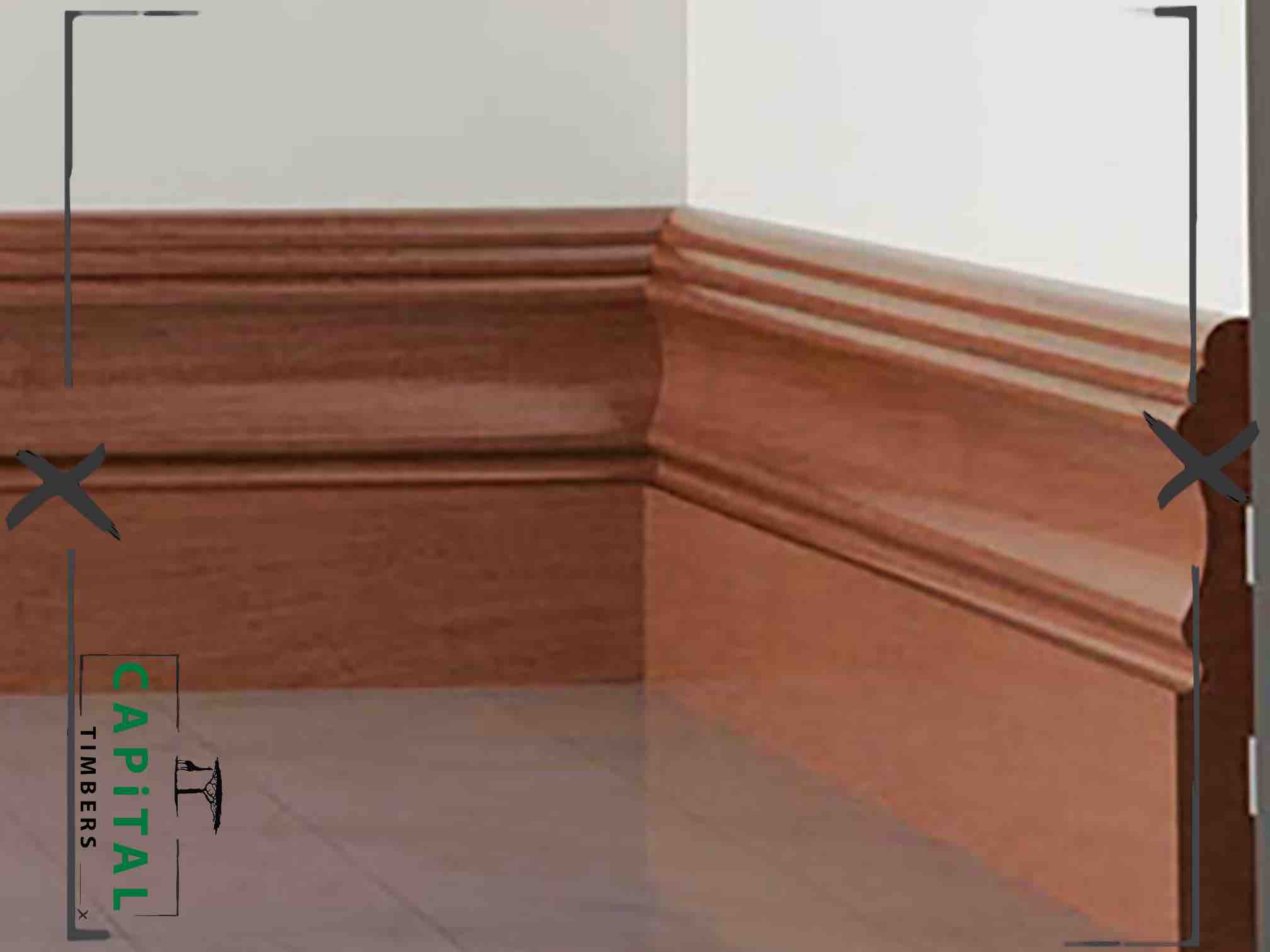
We offer to mould , cnc and cutting services to your needs. To calculate the cost of bespoke moulding, cnc , cutting, and sanding services, we kindly ask that you send us a picture or scaled drawing of the mould you wish to replicate, including dimensions and quantities. Once we have received the above, our dedicated Capital Timbers Team will provide you with a cost breakdown via email or WhatsApp, should you prefer.
Uses:
Skirting, Architrave, Window Boards, Dado Rail, Picture Rail, Coving, Decorative Mouldings
Laminated Tops
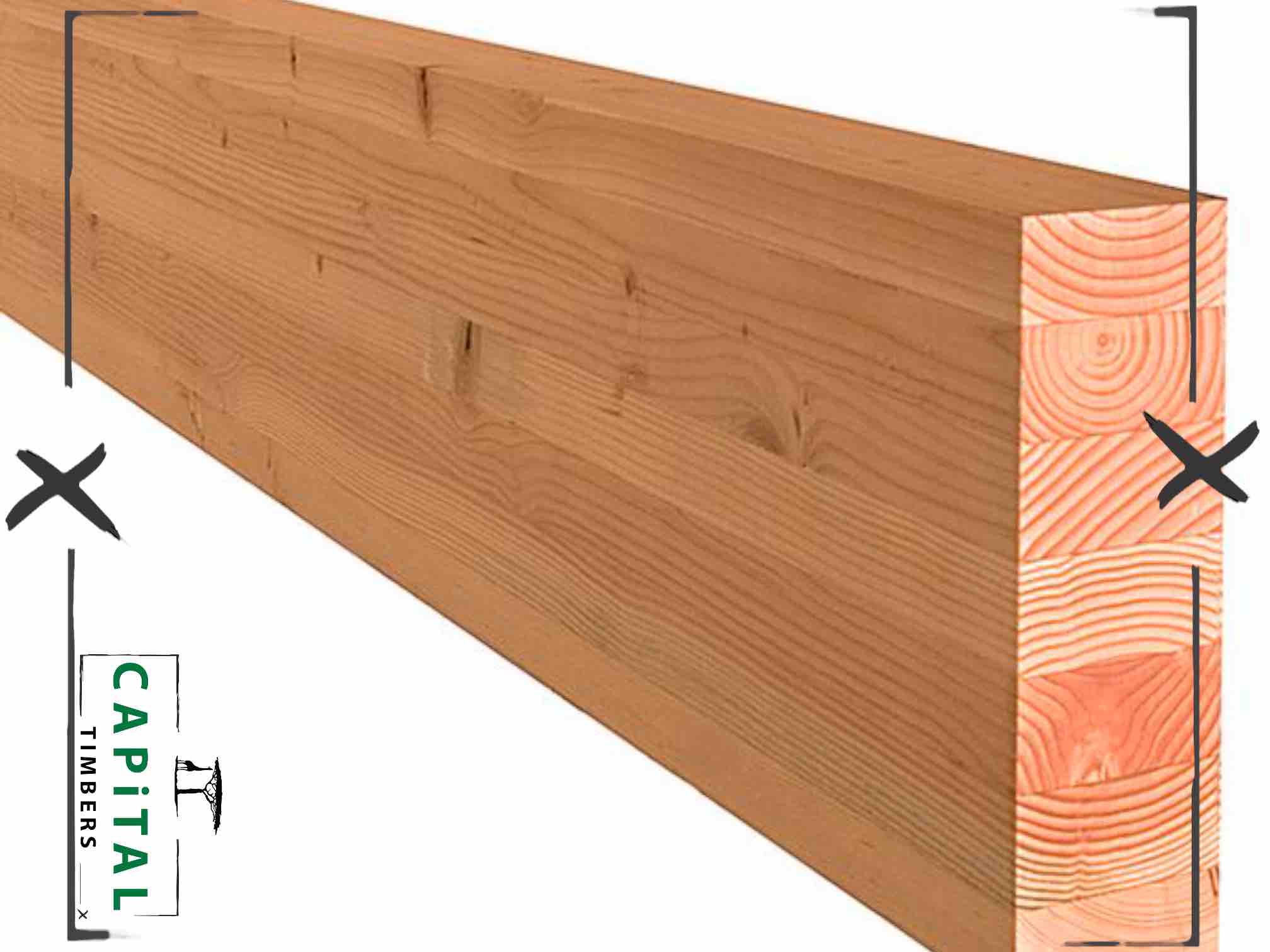
To calculate the cost of bespoke laminations, we kindly ask that you send us a detailed picture or scaled drawing of the lamination you wish to replicate, including dimensions and quantities. Once we have received the above, our dedicated Capital Timbers Team will provide you with a cost breakdown via email or WhatsApp, should you prefer. We offer bespoke moulds from Capital Timbers in Hardwood and Softwood. Hardwood specifications are to be viewed under the raw timber category-special lamination to any client's request.
Uses:
Laminated Tops, Shelving, Kitchen Tops, Laminated Beams, Structural Beams, Butcher Blocks